The Network of Independent Media Councils of Africa (NIMCA), in partnership with UNESCO, convened a two-day orientation webinar on 30 to 31 March 2026 to introduce its newly developed Deployment Guidelines on Disability Equality in the Media.
Opening the session, NIMCA Chairperson Phathiswa Magopeni emphasised the importance of translating commitments into action, noting that
‘these Guidelines represent a significant step forward in ensuring that African media systems are not only inclusive in principle, but practical in implementation’.
As regulators and media leaders, we have a responsibility to transform commitments into measurable change that reflects the diversity of our societies
The initiative aims to translate UNESCO’s global commitments on disability equality, freedom of expression and inclusive digital transformation into practical, locally adaptable steps for African media institutions, regulatory bodies, and media practitioners.
Promoting diversity in representation, content accessibility and inclusive management in African media is both a public interest and a market imperative. Inclusive content and leadership expand audience reach, engage underserved groups, and strengthen revenue and market performance.
When media regulators adopt coordinated strategies at the continental level, they create a framework that enables media organisations to implement equitable editorial policies and inclusive practices more efficiently, while also strengthening monitoring, knowledge sharing and accountability.
The session brought together a diverse range of stakeholders from Tanzania, Ethiopia, Somalia, Zambia, Zimbabwe, Nigeria, South Sudan, Uganda, South Africa, France, Ghana, Malawi, Rwanda, Namibia and Algeria.
Participants included media councils, journalists, civil society actors, Organisations of Persons with Disabilities (OPDs) and media organisations
The orientation strengthened participants’ understanding of the Guidelines and marked an important first step toward their implementation across media systems at the continental level.
Highlighting the role of regulators, Ernest Sungura, Executive Secretary of the Media Council of Tanzania, stated: ‘As regulators, our role is to set standards that not only protect ethical journalism but also ensure that no group is left behind.’
‘Disability inclusion must now be treated as a core regulatory priority rather than a peripheral issue.’
The Guidelines respond to persistent structural gaps in representation, accessibility and inclusive employment identified through consultations with both media and disability stakeholders.
Speaking on behalf of OPDs, Petra Dillmann of the Autism Association of Namibia underscored the importance of inclusion.
‘For us as OPDs, this process is critical because it ensures that persons with disabilities are not only subjects of stories, but active participants in shaping how media systems become more inclusive and accessible.’
Participants emphasised that media regulators and organisations have the capacity to drive systemic change. The strategy is anchored on three core pillars:
equitable editorial policies to enhance inclusive representation
improved accessibility of media content, and
inclusive management practices within media institutions
Discussions also highlighted the growing importance of accessibility in digital information, media content and services. Participants noted increasing efforts by media and technology platforms to integrate accessibility features, while calling for stronger collaboration with OPDs, including the development of professional networks such as sign language interpreters.
Sharing practical newsroom realities, Brandina Lambwe, a reporter from Zambia, noted: ‘As journalists, we have been mandated to carry stories of people living with disabilities, although their stories have not been frequently covered.’
Similarly, Ali Sultan, a media consultant from Zanzibar, emphasised the need for practical support.
As journalists, we are increasingly aware that inclusive storytelling is not optional – it is essential. However, we need practical tools, training and institutional support to consistently report on disability issues in a way that is accurate, respectful and impactful
The session also provided a platform for sharing practical experiences, including disability-focused media programmes and initiatives aimed at adopting inclusive workplace policies, supporting career development and ensuring reasonable accommodation for media professionals with disabilities.
For example, participants highlighted initiatives where media houses have introduced sign language interpretation in news broadcasts and adapted newsroom workflows to support journalists with visual impairments through assistive technologies such as screen readers and accessible editing tools.
By safeguarding pluralism, enforcing ethical standards and upholding the democratic function of the media, regulators and self-regulatory bodies play a critical role in ensuring that media systems are equitable, resilient and sustainable for all audiences.
The orientation marks an important step towards strengthening inclusive, accessible, and rights-based media systems across Africa.
The next phase will focus on national-level capacity building, pilot implementation of the Guidelines, and continuous monitoring and evaluation to ensure their effective adoption across the continent.
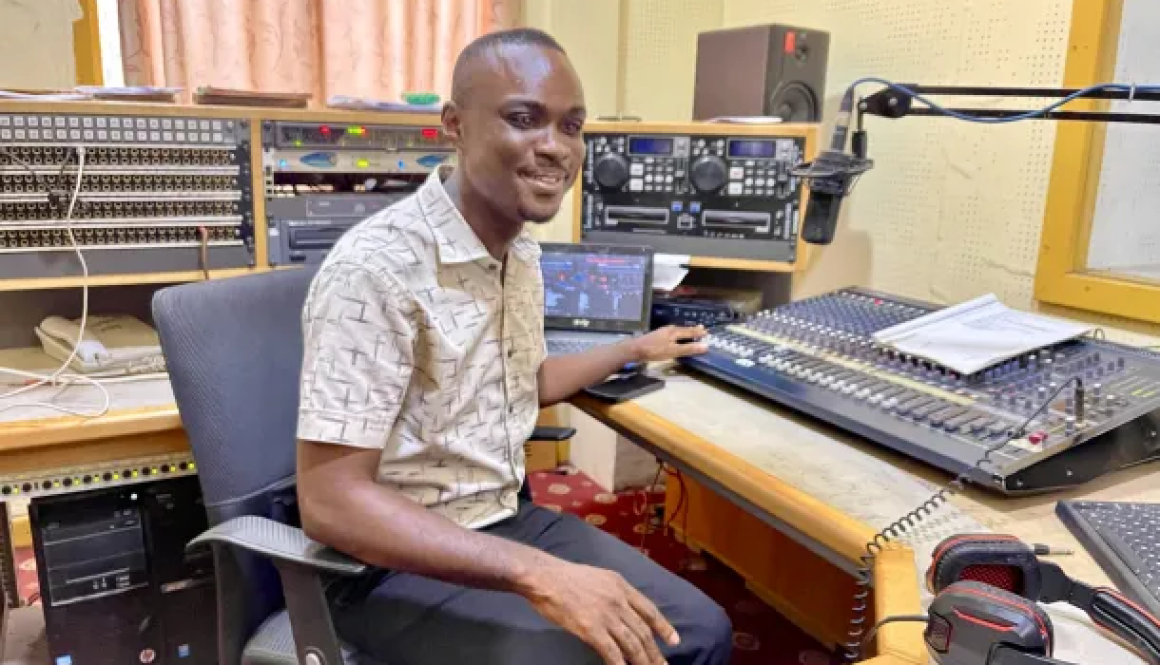
PICTURE: Selasie Sikanku, also known as DJ Odo, is a much-loved visually-impaired radio journalist at Ghana Broadcasting Corporation (courtesy UNESCO)
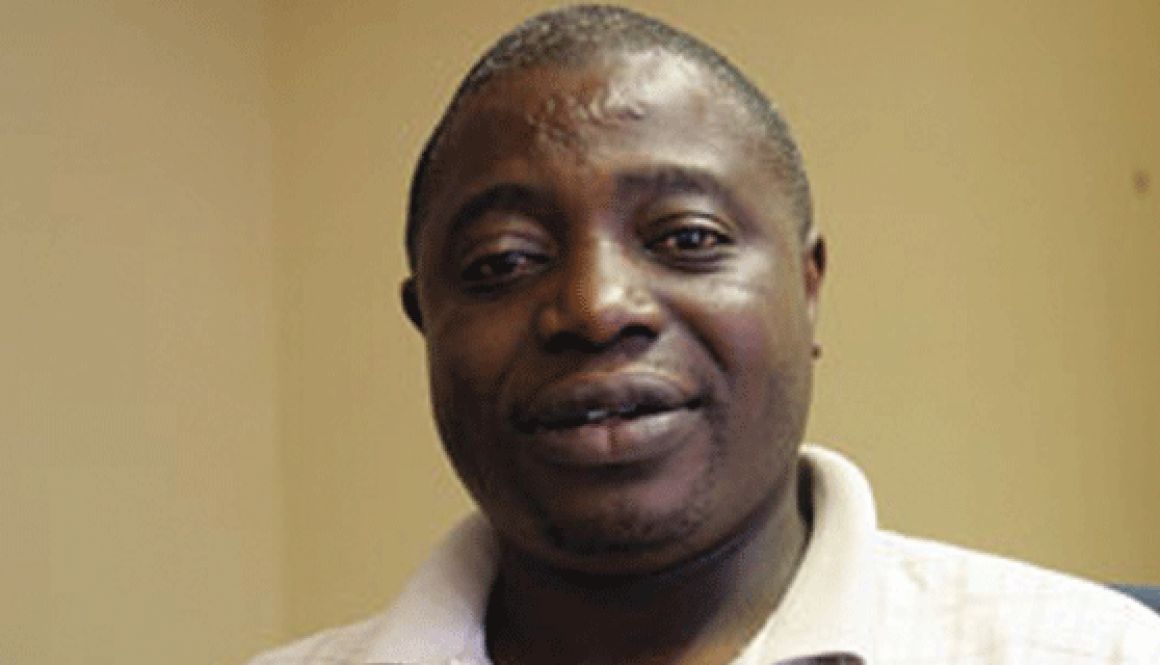
Zimbabwean journalist Loughty Dube has been elected as the inaugural Chairperson of the Southern African Press Councils Association (SAPC).
His election, announced in Lusaka on 19 March 2026, signals a significant shift toward stronger regional cooperation in promoting ethical journalism, accountability and press freedom.
The formation of SAPC and Dube’s rise to its leadership come at a time when the media sector across the region is navigating mounting challenges, including misinformation, declining public trust and evolving regulatory pressures.
The election took place during SAPC’s inaugural meeting, which brought together press councils and media self-regulatory bodies from across southern Africa.
The new institution represented a collective commitment to strengthening the integrity and independence of journalism in the region
Dube will be supported by a seasoned leadership team, including Phathiswa Magopeni, Executive Director of the Press Council of South Africa, and Mbongeni Mbingo of Eswatini, who will serve as Deputy Chairpersons.
Together, they are tasked with building the structures and operational frameworks of SAPC, a body expected to play a central role in shaping the future of media self-regulation in southern Africa.
The establishment of SAPC follows the adoption of the Lusaka Declaration, a guiding framework that outlines the organisation’s vision and mandate.
At its core, SAPC seeks to promote ethical journalism, strengthen independent self-regulation systems, and facilitate knowledge sharing among member institutions. It also aims to serve as a regional voice in advancing press freedom and professional standards
Dube’s election places Zimbabwe at the forefront of this regional initiative, reflecting broader shifts within the country’s media sector. His leadership aligns with ongoing efforts to promote co-regulation, a model that balances self-regulation with statutory oversight.
Zimbabwe’s media reforms have gained momentum under the administration of Emmerson Dambudzo Mnangagwa, who has expressed support for frameworks that empower the media to regulate itself while maintaining accountability.
Speaking after his election, Dube emphasised that SAPC’s mission resonates with this national vision. He noted that strengthening ethical journalism and self-regulation is essential not only for Zimbabwe but for the region as a whole.
The timing of SAPC’s formation is particularly significant. Across southern Africa and globally, the media industry is undergoing a profound transformation. Digital platforms have accelerated the spread of misinformation, while economic pressures have strained traditional journalism models.
In this context, the need for robust, independent self-regulation has never been greater. SAPC is expected to provide a platform for collaboration, enabling member organisations to share best practices, address common challenges, and develop coordinated responses
The association will also engage with regional and continental bodies such as the Southern African Development Community and the African Union, as well as civil society and international partners, to advance media development initiatives.
The VMCZ has welcomed Dube’s election, describing it as a milestone for both the organisation and the country’s media sector. In a statement, the Council highlighted his extensive experience and unwavering commitment to ethical journalism as key factors behind his selection.
The council expressed confidence that under Dube’s stewardship, SAPC will strengthen collaboration among member institutions, enhance professional standards, and tackle pressing issues such as misinformation and threats to media freedom.
As SAPC begins its work, expectations are high. The organisation must not only establish its structures but also deliver tangible impact in a complex and rapidly evolving media environment.
Dube has a task to shape a regional framework that upholds the values of transparency, accountability and responsible journalism
In a time when trust in media is under strain, the success of SAPC could play an important role in restoring confidence and reinforcing the role of journalism as a pillar of democracy in southern Africa.
With Zimbabwe now at the helm, the region will be watching closely as this new body takes its first steps toward redefining media self-regulation.
Media leaders from across Africa convened in Lusaka, Zambia, for the African Media Councils Conference 2026, a landmark gathering aimed at strengthening media self-regulation, promoting accountability and addressing emerging challenges in the digital information ecosystem.
Hosted by the Media Self-Regulation Council of Zambia (MSCZ), the conference brought together representatives from media councils, journalists, civil society and international partners under the theme, ‘Media Councils: A Solidarity-Based Approach to Regulatory, Financial and Digital Challenges’.
Opening the conference, MSCZ Chairperson Kennedy Mambwe underscored the urgency of collective action across the continent.
‘Media councils across Africa are facing growing pressure from regulatory environments, financial instability and digital transformation. This conference is about confronting that reality together.’
He emphasised that collaboration among African media councils is no longer optional but essential for survival and growth.
Participants echoed this sentiment, highlighting that many institutions operate in isolation despite facing similar challenges, including misinformation, political pressure and sustainability concerns.
Delivering the keynote address, Zambia’s Minister of Foreign Affairs and International Cooperation Mulambo Haimbe reaffirmed the government’s commitment to media freedom and ethical journalism.
‘Freedom of the press is best protected not by government intervention, but by a media that holds itself to the highest professional standards.’
He further called on media stakeholders to adapt to technological changes, including Artificial Intelligence and digital platforms, while maintaining credibility and public trust.
Kennedy Mambwe, Chairperson of the Media Self-Regulation Council of Zambia and Assembly President of NIMCA
Throughout the two-day conference, participants engaged in high-level discussions, plenary sessions and group work focusing on
strengthening media accountability systems
addressing misinformation and disinformation
adapting to AI and digital journalism
promoting sustainability and independence of media councils, and
enhancing collaboration across borders
A session on accountability highlighted gaps between principles and practice in many African media systems. This remains a major challenge, shaped by political pressure, limited resources and evolving digital realities.
Participants also noted that public awareness of complaints mechanisms remains low, affecting trust and engagement
The conference provided a platform for peer learning, where media councils shared practical experiences and innovative approaches.
The Media Council of Tanzania (MCT) Executive Secretary, Ernest Sungura, contributed insights on strengthening complaints-handling mechanisms, saying, ‘building trust in the media requires systems that are accessible, transparent, and responsive to the public’.
His presentation sparked discussion on sustainability, with participants agreeing that financial independence is key to maintaining credible self-regulatory systems.
A major outcome of the conference was renewed commitment to strengthening regional cooperation, including support for the establishment of the Southern Africa Press Councils Association (SAPC) as a platform for collaboration and knowledge exchange.
Participants at the conference in Lusaka
Participants emphasised that solidarity among African media councils is essential to address cross-border challenges and build resilient media systems. The conference reinforced the role of the Network of Independent Media Councils in Africa (NIMCA) as a central platform for coordination, peer learning and advocacy.
As the conference concluded, participants expressed optimism about the future of media self-regulation in Africa.
This gathering has shown that African media councils are ready to work together, share solutions, and build a stronger, more credible media ecosystem
The Lusaka conference marks a significant step forward in shaping a unified, African-led approach to media accountability in an increasingly complex digital landscape.
PICTURE: Zoé Titus, Director of the Namibia Media Trust, addresses the conference
The Summit, which brought together journalists, policymakers, academics and civil society with the aim of placing media, information integrity and the role of journalism at the centre of the G20 agenda, ended successfully with the endorsement of a Declaration which goes forward to the G20 Summit in November.
The Summit provided a platform to unpack the critical challenges affecting the media and information integrity ecosystems today. These include, but are not limited to, climate change disinformation, AI, journalist safety, media viability, and cybermisogyny.
The Declaration, which was endorsed by 49 organisations by the closing of the conference, followed significant deliberations across the two days of meetings, panel discussions, speakers and critical thought leadership.
Speakers and panellists included:
Ourveena Geereesha Topsy-Sonoo, the African Commission’s Special Rapporteur on Freedom of Expression and Access to Information in Africa
Advocate Pansy Tlakula, the Information Regulator of South Africa
Amy Mitchell, the founding Executive Ddirector of the Center for News, Technology & Innovation (one of the American organisations which is likely to be closely involved in the M20 for next year’s United States presidency of the G20)
multi-award-winning documentary filmmaker and international journalist, Hopewell Chin’ono
Solly Malatsi, South Africa’s Minister of Communications and Digital Technologies, gave the keynote address in which he said, ‘We must work together as governments and the private sector to support sustainable models for independent media’.
‘This could include innovative funding mechanisms, fair competition policies and ensuring that dominant tech platforms do not unfairly siphon away advertising revenues that journalism depends on.’
Global and local representatives of the media attending the M20 Summit, convened in Johannesburg by the South African National Editors’ Forum and Media Monitoring Africa, have come together during the 2025 South African presidency of the G20, to sound an acute alarm.
We are responding to a moment of profound global crisis in the integrity of information, peace and respect for human rights, including environmental rights.
We hereby alert our media colleagues, the G20 and the wider public: the crisis is intensifying as the spaces for independent news media and civic engagement contract.
Democratic societies grow through the supply of reliable information in a timely manner. Yet today we witness widescale erosion of our sources of knowledge. Our conviction is that independent journalism is a vital public good, and fundamental to people’s right of access to information and to the sustenance of peace and democratic governance.
We affirm that information integrity is essential to sustaining democracy and advancing the G20’s 2025 goals of international solidarity, equality and sustainable development.
Our call is an injunction to everyone to do more to protect press freedom, and support the role of journalism, and a human rights-based media ecosystem in its contribution to the public good
We call for significant steps to ensure that independent journalism and media pluralism are strengthened and information integrity is secured. Inaction and a ‘business-as-usual’ approach will not only allow current troubling trends to persist but will also cause them to worsen, especially in a world heading towards more armed conflict, authoritarianism, and a climate emergency.
Failing to prioritise media freedom and viability as well as information integrity can lead to an erasure of information ecosystems, creating drastic threats to economic, safety and overall civil stability.
The challenge
The dramatic shrinkage in the media landscape, linked to the decline in financial viability and weakening democratic credentials in many countries, leaves space for disinformation, including harmful content generated with artificial intelligence.
This phenomenon creates doubts, hinders policy actions and divides society.
Mis- and disinformation are being amplified by AI platform algorithms and reintegrated as training data for new AI models, further perpetuating a downward spiral in the quality of information. This wider content environment exacerbates other intensifying challenges to information integrity.
The world already suffers the effects of media censorship and political interference, lawfare, as well as assaults, killings and persecution of journalists. We’re seeing the consequences in declining international co-operation, in the disempowering of younger people (teenagers and children), erosion of women’s right to equality, and in a failure to invest in media and information.
Our context and our opportunity
The M20 is a parallel independent initiative to the G20. As a broad alliance, we have come together to promote journalism as a public good, as a key to information integrity and G20 goals.
To this end, M20 participants have compiled a set of policy briefs and convened in Johannesburg on 1-2 September 2025 to build consensus and a common voice around broad fundamentals.
These steps follow previous media initiatives during G20 processes hosted in Brazil (2024) and India (2023). The official G20 baton is to be handed to the United States in 2026
This M20 Declaration is a result of a collaborative global discussion and a foundation for further information-sharing to ensure that the G20 integrates information integrity, press freedom and media sustainability into a broader development financing architecture.
Our declaration below calls upon media and partners, and then upon G20 leaders, to take urgent steps to respond to the information integrity crisis.
Our call is on media and civil society – as well as other stakeholders such as independent information regulatory bodies and business entities – to act on:
# Information integrity, to
Commit to reinforcing the highest standards of journalism ethics to act as a counterbalance to attacks against information integrity
Uncover disinformation campaigns, including AI mistakes and deepfakes, and provide access to reliable information to the public
Raise the issues of accountability of technology companies for the design of their AI tools, including fixing flaws and responding to user feedback, especially when it relates to harmful content towards the journalism community
Share solutions to the ‘perfect storm’ of the challenges ranging across information integrity, media capture and capitulation, journalists’ safety, media viability, platforms and AI, children’s and young people’s rights and the climate emergency
Recognise that coordinated disinformation campaigns are amplified across multiple languages and diaspora networks, often state-sponsored, requiring targeted cross-border and multilingual responses. Addressing these threats demands inclusive digital governance consistent with the Global Digital Compact, including connectivity, prevention of internet fragmentation, and protection of data privacy
# Artificial Intelligence, to
Unite to call for clear copyright and fair compensation rules for the use of journalistic content by AI companies, and develop common criteria for calculating fair value
Reframe AI as a story about power, not just technology and hype: keeping tabs on who controls and deploys AI systems, how decisions are made, and what impacts result
Promote AI literacy that is grounded in rights-based, intersectional and ethical perspectives
Follow the money and data, including examining how gaps in African and Global South affect AI development
Adopt and promote cross-regional AI frameworks grounded in human rights, democratic values and accountability
Ensure that AI frameworks support linguistic and cultural diversity, including low-resource and indigenous languages, and invest in open-source models and local datasets so that smaller nations and island states are not excluded from AI development. These measures should be complemented by AI governance principles set out in the Global Digital Compact
# Media viability, to
Inform and engage audiences to strengthen trust and willingness to support media viability
Report on the growth in news wastelands in order to raise awareness about the impact on access to information and how the dominant digital services, including AI ‘answers’ and ‘community notes’, are not a substitute for verified, up-to-date reporting
Recognise that the collapse of journalism revenue models is not solvable by innovation alone, as important as this is. It is symptomatic of broader market failure and disruption due to platform dominance, unchecked data extraction and algorithmic bias, which require policy responses
Call on G20 states to pursue competition law reform to deal with market dominance, oligarchic control and equitable taxation of digital platforms, and ensure ways to redistribute value to sustain public interest media
# Safety, to
Campaign to stop physical and online violence and intimidation against journalists all over the world, and demand justice for targeted colleagues.
Call for an end to the deliberate targeting of journalists during armed conflict, and specifically express solidarity with Palestinian colleagues targeted by the Israeli military, and demand immediate fulfillment of UN Security Council Resolution 2222, which was co-sponsored by Israel in 2015, and which insists on an end to impunity for those who attack journalists during armed conflicts. Further, insist that Israel immediately allow foreign media access to Gaza
Condemn cases in all countries where there is persistent impunity for the killings of media workers, targeting of independent media, and state-sponsored online harassment of journalists.
Demand an end to online violations of human rights, and build pressure on tech companies to be held accountable where they do not take meaningful measures in their actions, tools, products and services
Help ensure, in the case of news media companies, the safety of journalists and to develop gender-awareness safety protocols in newsrooms to respond to online violence
Support exiled journalists, including opposing the surveillance of this community
Support a global ban on the use of spyware against journalists and an end to the use of criminal charges and lawsuits against journalists
# Women and media, to
Adopt and implement the Kigali Declaration on the Elimination of Gender Violence in and through Media in Africa by 2034
Address and counter technology facilitated gender-based violence experienced disproportionately by women and LGBTQ+ journalists
Open the space for more representation of women in leadership roles in the media industry, and fund women-led independent media organisations
# Children, young people (teenagers) and marginalised groups, to commit to
Increase ethical coverage of children’s and young people’s issues, especially as regards their exploitation on and by digital platforms. Cater to younger audiences and promote human rights standards that protect and empower them
Recognise children’s and young people’s rights to accurate information by strengthening media and information literacy, amplifying child voices
Advocate for the urgent safeguards for AI technologies to ensure they are accountable, transparent, and developed with children’s and young people’s voices, cultural contexts and rights at the centre. Empower children and young people to navigate the digital media space
Advocate for AI systems and content to prioritise children’s rights, safety, privacy, and developmental needs, with special attention to inclusivity for children with disabilities and meaningful inclusion of children’s voices in AI design, development, and regulation
Our call on G20 leaders to include in their final declarations to act on:
# Information integrity
For the Heads of State declaration, wording that recognises that:
Integrity is damaged by coordinated disinformation campaigns, AI errors, biases, and undisclosed deepfakes
A supportive environment for journalism can help counter such risks by exposing problems and producing reliable, quality content and recognising that independent journalism and public interest media are essential to ensuring access to relevant, timely, local, multilingual and fact-based information. To that end, strengthening their independence and sustainability must be a key priority in order to preserve their vital role, in line with the commitments 35(b) and (c) of the Global Digital Compact
Severe threats to trust and the digital economy arise when information integrity is damaged by coordinated disinformation campaigns, AI errors, biases, and undisclosed deepfakes
Sustainable systems are needed for compensation for media content feeding AI systems and platforms’ business models, and that the G20 will build on its 2024 acknowledgement of intellectual property issues
The Compact’s broader commitments to universal connectivity, data privacy, and the prevention of internet fragmentation, as these digital foundations directly shape the integrity of the information ecosystem
For the Digital Ministers’ declaration: wording that recognises that:
News media can play a critical role in exposing disinformation and in producing information of high integrity and promoting societies’ access to information
Journalism and independent media are key in exposing illicit financial flows, as outlined in the FFD4 Sevilla Commitment, and promote transparency, accountability, and public engagement in development financing, while securing the resources required to carry out such investigative reporting work
In times of increased AI-generated content, there is value in fostering free and independent public-interest journalism as a critical resource for information integrity
Because AI companies scrape news media content, it is essential to ensure fair compensation for the value added to these businesses and to digital distribution platforms
# Artificial Intelligence:
For the G20 Heads of State declaration, wording that recognises the need to:
Support and fund independent reviews of AI systems for their impact on news and information integrity
Invest in Global South innovation, including media-led efforts to develop culturally and linguistically inclusive AI tools tailored to local needs
For the declaration by G20 Digital Ministers, and the declaration of ministers in the G20 Artificial Intelligence, Data Governance and Innovation for Sustainable Development, wording that recognises:
The role of independent media in monitoring AI governance and corporate practices, and that stronger transparency mechanisms can help to enable public-interest media scrutiny of these systems in both public and private sectors
Access to information laws need to be fit for purpose and apply to data in both public and private sectors where public interest considerations apply and where protection of relevant rights like privacy and intellectual property are respected
# AI in Africa: Wording by appropriate G20 actors that recognises that:
Sustainable AI development in Africa requires robust accountability mechanisms that prevent the entrenchment of technological dependencies, and the need to support initiatives that enhance African media organisations’ capacity for quality coverage of AI governance and corporate behaviour
AI developers and deployers should consider high-quality contemporary data and linguistic and cultural diversity, and commit to supporting AI systems that serve African languages and contexts, rather than marginalising them
# Media viability and media freedom
For the Heads of State Declaration, wording that recognises the importance of:
Public interest journalism and information integrity as essential public goods. Independent, economically viable media are indispensable to sustainable development and to safeguarding societies against misinformation and disinformation
Accordingly, the Declaration should commit to the creation of public funding models for journalism, comparable to those that support other public goods, while ensuring strong guarantees of editorial independence and universal access to reliable information. Supporting media viability in this way is not optional — it is foundational to the health of our democracies and economies
Protecting intellectual property rights to ensure fair compensation
Supporting independent media through a legal, fair, transparent, and equitable basis, and with safeguards against real or perceived ways of influencing editorial content
Safeguarding the editorial independence of public media institutions and preventing capture of regulatory bodies, funding mechanisms, and public advertising systems
Protecting journalists and media workers from violence, harassment, and undue legal or economic pressure, including robust protection of journalists, media professionals and associated personnel in situations of armed conflicts, in line with the decision 35(f) in the Pact for the Future
Promoting environments where free, plural, and independent media can thrive, thereby reinforcing democratic governance, fostering economic growth, promoting social cohesion, and building peaceful societies
# Climate crisis and information integrity
For the Heads of State Declaration, wording that recognises:
The importance of access to free, effective, understandable, accessible information and from pluralistic information sources on climate change and environmental issues
The need to bolster efforts to ensure the safety of environmental journalists, access to scientific and evidence-based information online and to address the root causes of climate disinformation and climate change denialism
For the Environment and Climate Sustainability Working Group Ministerial Declaration, wording that recognises that:
Timely access to high-quality, trustworthy, evidence-based and accessible information is essential to promote climate and environmental sustainability
In times of coordinated and well-financed climate disinformation and attacks, there is a need to promote safety for environmental journalists
# Safety
For the Heads of State Declaration, wording that recognises:
Deep concern at the unprecedented rise in physical and online assaults on journalists, and condemnation of these acts as violations of international law and fundamental human rights
The need to strengthen and enhance efforts to ensure the safety and protection of journalists, uphold media independence, and foster an environment where media professionals can carry out their vital work without fear or intimidation, let alone being targeted in war and subjected to generalised starvation. (The internationally agreed framework is set out in the 2012 UN Plan of Action on the Safety of Journalists and its guidance on creating multi-stakeholder mechanisms to protect the press)
Combat the use of SLAPPs and other forms of legal harassment aimed at silencing journalists, whistleblowers, and watchdogs. Support measures to prevent misuse of legal systems to suppress public interest journalism
Special attention must be given to countries where journalist killings, digital lawfare, and coordinated troll harassment campaigns are rising. Governments should be urged to give institutional support to the UN Plan of Action on the Safety of Journalists and the Issue of Impunity
For the Digital Ministers’ Declaration: wording that recognises:
The need to develop and implement robust regulatory and safety frameworks that require digital platforms to undertake human rights diligence of their tools, products and services
# Rights of Women Journalists
For the Heads of States Declaration, wording that recognises the importance of:
Supporting independent media in creating enabling environments for its women media workers, including the development and implementation of gender policies
Learning from the forms of technology-facilitated gender-based violence experienced by women journalists, to ensure these are not replicated and further exacerbated through AI, taking on the responsibility, alongside the tech platforms to actively work towards prevention of this
The unique experiences of women journalists regarding online and offline harassment and the forms of gendered harms and structural inequalities they contend with
For the Digital Ministers’ Declaration: wording that recognises:
The need to proactively regulate and place the onus on tech platforms to protect women journalists from technology-facilitated gender-based violence
#Rights of children and young people
For the Heads of States Declaration, wording that recognises:
Vulnerabilities faced by children and teenagers in the digital environment, and a commitment to promoting formal mechanisms for their participation in digital policy-making processes
The need to prioritise children’s and young people’s rights and participation frameworks to ensure alignment with international human rights standards, as well as legal and regulatory measures to ensure accountability
For the Digital Ministers’ Declaration, wording that recognises:
The urgent need to promote and support digital platforms’ adoption of child-rights-based safety standards, which include age-appropriate child safety by design, transparent moderation, algorithmic accountability, accessible reporting tools, and clear measures taken to prohibit predictive profiling of minors
Media and information literacy must be integrated into educational systems, especially for low-income countries and communities
Take urgent, coordinated action to ensure digital environments are safe for children and young people globally, by adopting globally aligned legislation and standards grounded in safety-by-design principles and informed by the lived experiences of survivors and children to ensure proactive, not reactive, protections
Moving forward
This inaugural M20 declaration champions the value of journalism as a public good. We highlight that information integrity is at a critical juncture, and that what happens in journalism can be of decisive significance.
We affirm that immediate and impactful actions are essential to reverse the decline and seize opportunities.
We propose establishing a Media Integrity Monitoring Framework to track annual G20 commitments on information integrity, journalist safety and media viability. An M20-linked Integrity Index would help institutions benchmark progress and promote accountability
Our call is to all who share this broad perspective to reinforce their efforts to uphold free, independent and viable journalism as a condition for societal progress, and to continue M20 networking beyond 2025.
The M20 Johannesburg Declaration was compiled by SANEF and MMA with input from partners, drawing extensively from Policy Briefs published as part of the M20 process and which culminated in the endorsement of the Declaration at the M20 Summit on 1 and 2 September.
Please see here for the full set of policy briefs, including proposed text for the G20 declarations.
The Declaration is endorsed by the following organisations:
South African National Editors’ Forum (SANEF)
Media Monitoring Africa (MMA)
The Africa Editors’ Forum (TAEF)
African Women in Media
Global Forum for Media Development (GFMD)
Indonesian Cyber Media Association (AMSI)
Wits Centre for Journalism, Wits University
African Women in Media
Henry Nxumalo Foundation
Impress: the independent monitor for the press (UK)
Mtoto News International
Eastern Africa Editors Society
Forum on Information and Democracy
Press Council of South Africa
Initiative18 – free, safe & sustainable media
Centre for Innovation and Technology
Panos Institute Southern Africa
NMT Media Foundation
International Fund for Public Interest Media
The Campaign for Free Expression
Fondation Hirondelle
Freedom of Expression Institute
BBC Media Action
AmaBhungane Centre for Investigative Journalism
Bangladesh NGOs Network for Radio and Communication(BNNRC)
RNW Media
Africa Freedom of Information Centre (AFIC)
Kenyan Editors Guild
fraymedia Foundation
All Protocol Observed, publisher of The Continent
International Media Support (IMS)
The Brave Movement
West Africa Editors Society
SABC Channel Africa
MISA Lesotho
Daily Maverick
North West University, Journalism and Media Studies
West Africa Editors Society
Media Institute of Southern Africa (MISA)
The Momentum – Journalism and Tech Task Force
The Wire (India)
The South African Information Regulator
Technology Policy & Innovation (TPI) Concentration, Columbia University’s School of International and Public Affairs
Association of Independent Publishers
Freedom Forum,Nepal.
Develop AI
Campaign on Digital Ethics (CODE)
South African Broadcasting Corporation (SABC)
SOS Support Public Broadcasting Coalition
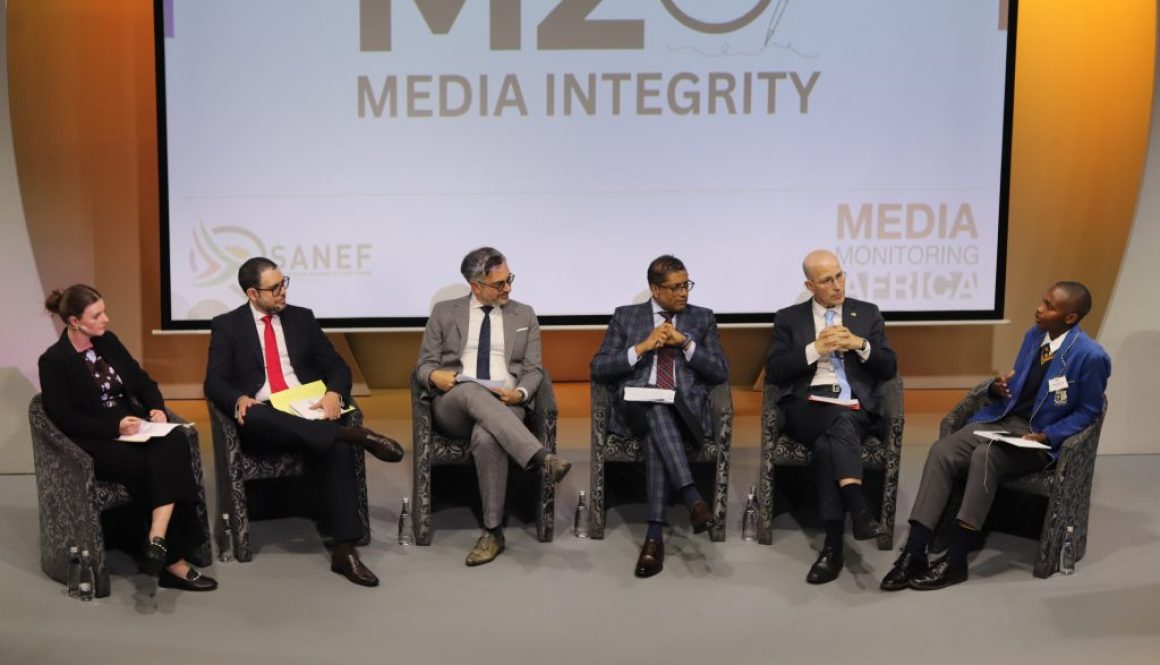
PICTURE: Among the many fruitful discussions at the M20 Summit, was this ambassadors’ roundtable on shaping information integrity for a digital future. A child, 17-year-old Emmanuel Pooe, a Grade 12 learner from Soweto and an Article 12 working group member, led the discussion with: Rodrigo Govedise from the Embassy of Brazil; Jean Spiri from the Embassy of France; Anesh Maistry, a representative of the South African government, and Andreas Peschke, the Ambassador of Germany to South Africa. A second part of the discussion was moderated by Claire Dehosse (far left), an Associate at ALT Advisory
Organisations can contact the M20 Secretariat to add their names to the list of endorsements.
The M20 initiative, an independent joint programme of Media Monitoring Africa (MMA) and the South African National Editors’ Forum (SANEF), will host the M20 Summit in Johannesburg, South Africa on 1 and 2 September 2025.
The Summit will bring together journalists, policymakers, academics, and civil society with the aim of placing media, information integrity and the role of journalism at the centre of the G20 agenda.
The Summit will provide a platform to unpack the critical challenges affecting the media and information integrity ecosystems today. These include, but are not limited to, climate change dis-information, artificial intelligence and deepfakes, journalist safety, media viability, and cyber misogyny.
The Summit programme will explore the policy briefs compiled by the M20 team and partner organisations, as well as feature leading voices from the sector through high-level panels and dialogues
As the world faces rising authoritarianism, shrinking media freedom and freedom of expression, and an information disorder fuelled by algorithms and digital platforms, the M20 Summit is a call to action.
A Johannesburg M20 Declaration is being drawn up as a result of a collaborative global discussion in advance of the Summit that calls upon media and partners, and then upon G20 leaders, to take urgent steps to respond to the information integrity crisis, its causes and its impacts.
It affirms that information integrity is essential to sustaining democracy and advancing the G20’s 2025 goals of international solidarity, equality and sustainable development.
The draft declaration states that our call is an injunction to everyone to do more to protect press freedom, support the role of journalism, and a human rights based media ecosystem in its contribution to the public good.
It calls for media to commit to reinforcing the highest standards of journalism ethics, to act as a counterbalance to attacks against information integrity, and to uncover disinformation campaigns, including AI mistakes and deepfakes, and provide access to reliable information to thepublic.
The draft declaration urges G20 leaders to recognise that severe threats to trust and the digital economy arise when information integrity is damaged by coordinated disinformation campaigns, AI errors, biases, and undisclosed deepfakes.
It also calls for shared solutions to the ‘perfect storm’ of the challenges ranging across information integrity, media capture and capitulation, journalists’ safety and targeted attacks, media viability, platforms and AI, children’s and young people’s rights and the climate emergency
The declaration text will be finalised at the Summit and presented to delegates for endorsement and transmission to the G20 platforms.
While registration for the Summit is closed, the proceedings can be viewed live on SABC Plus.
The M20 is an independent initiative to ensure issues relating to media integrity and healthy information ecosystems are reflected in the G20 policy agenda. It mirrors official G20 engagement groups for business, think-tanks, civil society among others, and includes participation in G20 events, convenings of media and information ecosystem role players, hosting of webinars on G20-related issues and publishing policy briefs.
It draws on the participation of researchers, experts and networks of international media development organisations and relevant think tanks, civil society, and media organisations among G20 members, as well as from across the African continent.
For more information contact: Reggy Moalusi (SANEF): [email protected] or +27 71 682 3695 William Bird (MMA): [email protected] or +27 82 887 1370
The World Association of Press Councils (WAPC) strongly condemns the targeted killing of five Al Jazeera journalists—Anas al-Sharif, Mohammed Qreiqeh, Ibrahim Zaher, Mohammed Noufal and Moamen Aliwa—and freelance journalist Mohammad al-Khaldi, in an Israeli airstrike on 10 August 2025.
The attack struck a journalists’ tent near al-Shifa Hospital in Gaza City, a blatant assault on press freedom aimed at silencing those reporting on the Gaza conflict.
These journalists were neutral observers, dedicated to documenting the truth and amplifying the voiceless. They were not combatants, yet they were deliberately targeted, with baseless accusations used to justify their deaths.
This act is part of a broader pattern of unprecedented violence against the media in Gaza.
Since 7 October 2023, at least 242 journalists and media workers, mostly Palestinians, have been killed, marking the deadliest period for journalists in modern history. No other conflict has seen such a high toll on the press in so short a time. The systematic killing of journalists, destruction of media infrastructure and restrictions on independent reporting violate international humanitarian law and threaten global democracy.
The WAPC mourns these losses alongside Al Jazeera and supports the United Nations’ call for a thorough investigation. We demand an immediate, independent international inquiry to hold those responsible accountable
All parties to the conflict must respect journalists’ protections under the Geneva Conventions and cease actions that endanger them. We urge the international community — governments, the United Nations and press organisations — to strengthen efforts to protect media workers in conflict zones and demand an end to their targeting.
Journalists risk their lives to hold power accountable and ensure the world knows the truth. The WAPC stands in solidarity with our colleagues in Gaza and worldwide, affirming that the pen will not be silenced by violence.
The truth shall prevail.
DAVID OMWOYO President, World Association of Press Councils
PICTURE: Al Jazeera correspondent Anas al-Sharif, among other journalists, was killed in an Israeli air strike on 10 August 2025 (Al Jazeera)
Nigeria’s Minister of Information and National Orientation Alhaji Mohammed Idris has been commended for defending media freedom and the rule of law following his intervention in a recent shutdown directive issued against Badegi FM, a licensed radio station operating in Minna, Niger State.
The Broadcasting Organisations of Nigeria (BON) applauded the Minister’s timely response, which advised the Niger State Governor to route any complaints about the station’s conduct through the National Broadcasting Commission (NBC),the sole body legally empowered to regulate and sanction broadcasters in Nigeria.
In a press statement, by the Executive Secretary of BON, Dr Yemisi Bamgbose,described the Governor’s order as unconstitutional and a violation of the legal process. The organisation reaffirmed that only the NBC has the statutory authority to suspend or revoke a broadcast licence after due process
The Governor had reportedly directed the shutdown of Badegi FM, citing allegations that the station was hostile to his administration. However, the move sparked nationwide concern among media stakeholders, who warned against undermining press freedom.
Bamgbose warned that unilateral actions by political leaders against the media threaten the democratic space.
‘While we encourage all media organisations to operate responsibly and within legal frameworks, no government, federal, state or local has the right to close down a duly licensed broadcaster without going through the proper regulatory channels,’ he stated.
He added that suppressing media voices through executive orders erodes public trust and weakens democratic institutions.
‘The media serves both the government and the governed. Undermining its role without due process is not only unconstitutional but dangerous for national development,’ he said.
Bamgbose urged all levels of government to work in partnership with the media and respect the oversight role of regulatory bodies like the NBC
He also called on journalists to maintain high ethical standards and professionalism, even in politically charged environments
He concluded that BON reaffirmed its commitment to press freedom and responsible broadcasting ,warned against any actions that may stifle the rights of Nigerians to access diverse and credible information.
The IPI global network calls for urgent and renewed international attention to the case of American-British journalist Christopher Allen. We urge the international community to pressure South Sudanese authorities to conduct an independent and transparent investigation into Allen’s killing.
Allen, a freelance photojournalist, was killed by government forces on 26 August 2017 while documenting the civil war in South Sudan. He was the first foreign journalist to lose his life reporting on the conflict.
As fighting escalated on 26 August, Allen was shot by multiple rounds, including one to his head, in what rebel forces believe was a deliberately targeted attack by government troops. Rebel forces claimed Allen was easily identifiable as a journalist at the time of the attack.
According to a rebel spokesperson, Allen wore a vest with the word, ‘PRESS’, large and visible, carried two cameras and no weapons. Photographic evidence following Allen’s death suggests his body was subjected to inhumane treatment constituting war crimes on the part of the government forces.
South Sudanese authorities disputed the rebels’ account of Allen’s death, arguing that there was no indication he was a journalist. Authorities denied Allen the status of civilian in the wake of his death, labelling him a ‘white rebel’ who entered the country illegally, and stating that anyone accompanying rebels, including journalists, would be treated as combatants.
A report on the killing published by the South Sudan Investigation Committee in March 2024 failed to achieve any measure of accountability for his death, concluding that Allen was killed accidentally amid cross-fire.
The investigation, which was conducted without any involvement from Allen’s family, failed to address the horrific mistreatment of his body in the aftermath of his murder and blatantly ignored basic international legal frameworks
United States officials publicly denounced the investigation, alongside Allen’s family and human rights and press freedom organisations.
‘The killing of journalist Christopher Allen and the subsequent failure of the South Sudanese government to adequately investigate his death and bring his killers to justice demonstrates an alarming display of impunity on the part of authorities,’ Amy Brouillette, IPI Director of Advocacy, said.
‘Journalists covering conflict must be free to do their jobs without fear of being targeted. We urgently call for a renewed investigation into Allen’s death that ensures accountability and compliance with international law.’
Escalating Assaults on Journalists’ Safety are a Threat to Democracy
Overview
Attacks on journalists worldwide are a monstrosity for democracy’s existential commitment to information integrity. Solidarity is needed with the frontline fighters for information integrity. Sustainability is required so they can do their work without fear, and equality is necessary so that journalists have the right to justice and there is an end to impunity for those who violate human rights.
The M20 is an opportunity to ‘showcase’ to the G20 the increase in killings, murders, kidnappings and detentions of journalists around the world – especially in war zones such as Gaza, Sudan, Ukraine, Syria, DRC, among others. These increases have been noted this year by organisations that include the Committee to Protect Journalists (CPJ), Reporters Sans Frontières (RSF) and UNESCO.
Powering the surge in attacks is the 20-year trajectory (from 2006-2024), where 1 700 journalists were killed. The majority of these crimes – 85% – go unpunished. The second monstrous layer of the anti-democracy trajectory is online bullying of women journalists (especially black, and LGBTQI+), consisting of intimidation, harassment, doxxing and trolling, threats of rape and murder in the cyber sphere – such as on social media – which is an emotionally violent zone.
Therefore, this year’s G20 themes of solidarity, equality, and sustainability must apply directly to stop attacks on journalists. These G20 ideals cannot be realised unless journalism as a public good, which values information integrity, is fought for and protected as a treasure to democracy.
Alliances with civil society (and governments whose values align for a more peaceful and just world), and international collaboration are needed. While signing multilateral agreements on occasions like World Press Freedom Day is a valuable start, there is a pressing need to take concrete action beyond symbolic gestures
Proposal to the G20
The proposal to the G20 is to hear, discuss, acknowledge and act against the ever-increasing killing of journalists, as well as online sexual violence against women journalists.
The Rio G20 leadership declaration says: ‘Acknowledging that gender-based violence, including sexual violence against women and girls, is alarmingly high across public and private spheres, we condemn every form of discrimination against women and girls and recall our commitment to end gender-based violence, including sexual violence and combat misogyny online and offline.’
Women journalists are adversely affected by bots, trolls and politicians on platforms that are adversarial by algorithmic design and by an absence of content moderation, and which seem to contain no discussion or nuance.
They spread hatred of a sexualised nature, often spilling over into real life space, as in the case of journalists Maria Ressa and Ferial Haffajee.
In the G20 interpretation of equality, solidarity and sustainability, neither equality (for all genders), solidarity (with all those suffering from war mongers) nor sustainability (healing the planet and ending poverty) can be reached without freedom to do journalism as a public good. Therefore, journalists’ safety, protection and acknowledgment of their role in democracy should be an urgent M20/ G20 goal.
This Policy Brief argues that signed agreements must be followed through with action against perpetrators involving new levels of co-operation between civil society, governments, international and continental agencies such as the United Nations, African Union and European Union, as well as between media freedom and journalist safety networks and advocacy organisations such as the International Centre For Journalists (ICFJ), the Journalist Safety Network and SANEF.
Defining the critical issue and role of the G20 and key issues
The global state of press freedom is now classified as a ‘difficult situation’, according to the RSF 2025 report. This is the first time this has been the case in the index’s history. While one of the main reasons was due to the ‘economic factor’ – the sustainability of journalism – RSF noted that physical attacks continue.
The United States is leading the economic depression, while it is also recognised as a global leader in Silicon Valley for AI and social media apps. Similarly, online attacks – enabled by Big Tech billion-dollar profit-making companies such as Alphabet (Google’s parent company), Meta (Facebook’s parent company) and platforms like X and TikTok – operate with little to no accountability or regulation concerning journalist safety.
The situation in Palestine (163rd on the RSF index) is disastrous; in Gaza, the Israeli army has destroyed newsrooms and killed nearly 200 journalists. As of 16 June 2025, CPJ’s preliminary investigations showed at least 185 journalists and media workers were among more than tens of thousands killed in Gaza, the West Bank, Israel and Lebanon since the war began, making it the deadliest period for journalists since CPJ began gathering data in 1992.
As BBC News, Agence France-Presse (AFP), Associated Press (AP) and Reuters have noted, those reporting the conflict from Gaza now face ‘the same dire circumstances as those they are covering’. That is, engineered starvation.
This unprecedented extreme violence against journalists in conflict zones takes place against a broader assault on journalists globally. For over a decade, research has shown that women and journalists of colour are particularly targeted. Seventy percent of women journalists experienced online and offline threats, harassment, or attacks, and a third have considered leaving the profession as a result, according to a 2019 report by the International Women’s Media Foundation.
Africa: Online bullying and cybermisogyny
Women journalists in certain African countries have encountered extreme online harassment due to their journalism and/or for having a public profile, according to a study by Alana Barton (Reader in Criminology in the Department of Law and Criminology, Edge Hill University in Lancashire, UK) and Hannah Storm (award-winning journalist, producer and director).
This has not abated, with 73% of women journalists saying they experienced harassment and bullying on platforms such as X and Facebook, according to 2022 research by Julie Posetti and Nabeelah Shabbir in their study, The Chilling: Global Study of Online Violence Against Women Journalists.
The ICFJ/UNESCO study reveals that deep-dive research into attacks on journalists in African countries includes online harassment, disinformation and smear campaigns, sexist and hateful speech, as well as trolling with threats of rape and death
In some African and other countries, this occurs against the backdrop of authoritarian regimes that place the free press under attack.
Studies reveal patterns vis-à-vis the digital harassment of women journalists on the continent, including self-censoring and exiting the journalistic field. The research found that 75 percent of women journalists surveyed in Kenya experienced online harassment, particularly when covering politics and sport.
Harassment not only leads women to stop using digital tools but also to withdraw from the profession, wrote Moraa Obiria (senior gender writer at Nation Media Group in Kenya). Those who resist face being silenced further.
Globally, cyberspace reflects and amplifies harassment, sexism and other forms of discrimination against journalists, including homophobia, racism, and religious hate speech.
South Africa
In South Africa, women journalists of all races who work in the political reporting and investigative spaces have been targeted with threats of rape and murder, and trolling and doxxing. Journalists include Ferial Haffajee (Associate Editor), Tshidi Madia (political broadcast journalist) and Karyn Maughan (legal journalist).
‘Much like your casual school bully, online trolls will do everything in their power to get under your skin. They will persist despite you ignoring them […]
‘In 2018, when it became manifest that I will not succumb to social media bullying, the efforts to intimidate me became more direct and sinister. In August 2018, I was sent a picture of a gun by an ANC Women’s League leader for sending her probing questions about a meeting she attended.
‘There was an attempt to dox me — an effort to intimidate me by sharing my address — but, thankfully, the post was taken down … There were full-blown threats to rape and kill me by Zuma supporters.
‘While my employer and the South African National Editors’ Forum came to my defence, I never felt more alone in that ordeal. I knew I was not the only one facing this, and I also knew that my seniors did not know how to navigate this terrain.
‘What do you do in this instance? Do you send legal letters to thousands of bots? By this time, attacks on female political journalists in South Africa had become far, far worse.’
Journalists should not simply ‘suck it up’, says Hunter, who links mental health to safety and media freedom in the book. Her vocal advocacy for mental health awareness in journalism earned her the prestigious Nat Nakasa Award for Courageous Journalism in 2019.
Collaborations needed to enforce platform accountability
Platforms such as X and Facebook have permitted sexism in a vile fashion, and have failed to prioritise dealing with threats against women journalists. Reports of cybermisogyny on social media across the continent indicate that harassment, such as threats of rape and murder, often leads women journalists to leave social media or the industry altogether.
According to one report on women journalists and safety, there is a complete lack of accountability. South African women describe it as a free-for-all, saying they are advised to report incidents to the police – but when they do, the officers appear unfamiliar with terms like ’emotional violence’ or ‘cybermisogyny’.
It is the responsibility of traditional and Big Tech, as well as governments and civil society, to take action and effect change. Early warning systems need to be developed to monitor, predict and prevent online violence escalation
Research on cyberbullying in South Africa, as referenced in this Policy Brief, also indicates that currently, only NGOs in the civil society space and some news organisations fully recognise the importance and nature of physical violence against journalists, and are attempting to effect change.
But they cannot act alone. Governments on both the continent and globally must hold Big Tech accountable to curb unregulated online bullying. Pressure needs to be applied for companies to take coordinated action in stopping harassment, identifying offenders and ensuring they face criminal consequences.
Urgent continental, intercontinental and global collaborations are needed to tackle Big Tech companies for regulation, naming, shaming and sanctions.
Other recommendations, outlined in The Chilling, include the adoption of a more inclusive approach to recognise and call out the intersectional nature of online violence, and for law enforcement agencies to develop gender-sensitive skills to be equipped to tackle these cases.
Proposed text for inclusion in G20 output
For the Heads of State (‘Leaders’ declaration’):
‘We recognise with deep concern the unprecedented rise in physical and online assaults on journalists, and we unequivocally condemn such acts as grave violations of international law and fundamental human rights.
‘We call on governments to demand immediate protection for targeted journalists and unimpeded humanitarian access.
‘We call upon all governments to strengthen and enhance efforts to ensure the safety and protection of journalists, uphold freedom of the press, and foster an environment where media professionals can carry out their vital work without fear or intimidation, let alone being targeted in war and subjected to generalised starvation.
‘We recognise the sizeable role played by large technology and social media companies in the proliferation of online harassment, particularly targeting women journalists.
‘We call on governments to develop and implement robust regulatory frameworks that ensure accountability of digital platforms for protecting safety and human rights online, including of journalists, and empower state organs to effectively respond to online criminal acts.’
Recommendations and opportunities for G20 media
A joint campaign opportunity awaits: civil society, with progressive democratic governments, journalist organisations, and international agencies can collaborate to stop physical violence against journalists, as well as emotional online
The media need co-operation and alliances (with international agencies and national governments) to hold Big Tech accountable
Safety measures and equipment need to be provided to journalists in conflict areas and war zones, and there can be no impunity for perpetrators who fail to respect reporters as civilians
News organisations need to develop gender-awareness protocols to respond to online violence, to stop victim-blaming, and not to feel restricted or silenced in their response
Acknowledgements and call for comments
This policy brief was commissioned within the framework of the M20 ahead of the G20 Summit.
The M20 initiative is a ‘shadow’ parallel process set up to intersect with the G20 processes. The M20 seeks to persuade the G20 network of the most powerful global economies to recognise the news media’s relevance to their concerns.
As a collaborative M20 document, this paper is a working, live document. Share your suggestions or comments for consideration to [email protected]
This Policy Brief can be republished under Creative Commons licence, – i.e. provided that you credit the source, indicate any changes to the text, and link back to the original article on the M20 site.
Authorities in the Republic of the Congo and the Democratic Republic of Congo (DRC) must ensure the safety, respectively, of journalists Rosie Pioth and Sadam Kapanda wa Kapanda.
In Pioth’s case, this is following death threats for her reporting on the anniversary of the 1982 bombing of the Maya-Maya International Airport in the Republic of the Congo’s capital, Brazzaville. In Kapanda’s case, this is following death threats related to his coverage of the National Fund for the Repair of Victims of Sexual Violence and Crimes against Peace and Security of Humanity (FONAREV) in the DRC.
Angela Quintal, the Committee to Protect Journalists’ Africa Regional Director, said from New York that ‘the authorities of the Republic of the Congo must urgently investigate the threats against journalist Rosie Pioth and ensure she can continue her work without the looming possibility of being killed’.
‘Many journalists working in the Republic of the Congo self-censor out of fear of reprisal, and the possibility that these threats will go without adequate response may only entrench those fears’
Pioth, correspondent for the French government-owned outlet France 24 and director of the news site, Fact Check Congo, published an article on 17 July, the anniversary of the bombing, which detailed how, after 43 years, victims’ families continue to demand justice and compensation.
Pioth emphasised how the story of the bombing had been ‘erased’ with ‘No monuments. No textbooks. No national day. No public mention of this tragedy’. At the end of the report, she also announced intentions to publish further investigations on the bombing, which killed nine, and its aftermath.
The day after the article was published, unidentified individuals called and messaged death threats to Pioth, urging her to stop reporting about the bombing, according to Pioth and CPJ’s review of the messages. Pioth said her husband also received threatening messages directed at her.
‘[A]re you the one encouraging your wife towards media provocations? You have 72 hours to decide to stop your publications. I am watching all your movements, and the unpredictable is not far away, dear infiltrator,’ read one of the messages sent to her husband.
Pioth told CPJ that she went into hiding after the threats and intended to file a complaint with the prosecutor’s office in Brazzaville. The local professional association Journalism and Ethics Congo (JEC) also called for her protection.
CPJ’s calls and questions sent via messaging app to a Republic of the Congo government spokesperson and Minister of Communication and Media Thierry Moungalla did not receive a reply.
Kapanda received death threats from at least two local officials and two unidentified callers for his reporting on FONAREV for the privately owned broadcaster, Notre Chaîne de Radio and the Identitenews site.
Established by the government in 2022, FONAREV has worked in response to the Kamuina Nsapu rebellion that erupted in August 2016 in Kasaï province, which killedthousands and displaced millions. Kapanda’s reporting has alleged fraud, manipulation and nepotism by FONAREV Regional Coordinator Myrhant Mulumba, as Kapanda uncovered the identities of victims of the Kamuina Nsapu militias.
‘Journalists in the DRC too regularly face threats and intimidation from public officials. Authorities must investigate the death threats against journalist Sadam Kapanda wa Kapanda and ensure his safety,’ said Quintal.
‘Reporting on matters of public interest, especially amid conflict, is essential for those with power to be held accountable and for the public to be informed about issues and actors that affect their lives’
In separate calls and messages on 2 July 2025, Mulumba and Kasaï provincial Minister of the Interior Peter Tshisuaka threatened to kill Kapanda if he did not halt his critical coverage of the fund, according to the journalist and messages reviewed by CPJ. Kapanda said that Mulumba also offered him a job with the fund if he agreed to stop criticising their operations, which Kapanda refused.
Tshisuaka responded to CPJ’s request for comment by messaging app saying that, ‘The journalist does his job, and I do my job too, Kapanda should look for work elsewhere’.
A third, unknown caller on 2 July threatened to have Kapanda killed, Kapanda told CPJ. On 9 July, Kapanda said he received an additional death threat from an unidentified caller.
Around 2am on 15 July, two unidentified armed men arrived at Kapanda’s home and sought to enter, but fled when his neighbours began shouting, the journalist told CPJ. On 16 and 17 July, Kapanda received further death threats via phone calls and messages, copies of which CPJ reviewed.
Kapanda told CPJ that he was unaware of police having opened an investigation into the threats.
CPJ’s calls and messages to Mulumba went unanswered.
This website uses cookies to improve your experience while you navigate through the website. Out of these cookies, the cookies that are categorised as necessary are stored on your browser as they are essential for the basic functionalities of the website. We also use third-party cookies that help us analyse and understand how you use this website. These cookies will be stored in your browser only with your consent. You also have the option to opt-out of these cookies. Opting out of some of these cookies may have an effect on your browsing experience.
Necessary
Always active
Necessary cookies are essential for the website to function properly. This category only includes cookies that ensures basic functionalities and security features of the website. These cookies do not store any personal information.
Preferences
The technical storage or access is necessary for the legitimate purpose of storing preferences that are not requested by the subscriber or user.
Analytics
Analytics cookies are used to track user behaviour on our website. We process these cookies to understand user engagement and improve user experience on our website.The technical storage or access that is used exclusively for anonymous statistical purposes. Without a subpoena, voluntary compliance on the part of your Internet Service Provider, or additional records from a third party, information stored or retrieved for this purpose alone cannot usually be used to identify you.
Marketing
The technical storage or access is required to create user profiles to send advertising, or to track the user on a website or across several websites for similar marketing purposes.

 Zimbabwean journalist Loughty Dube has been elected as the inaugural Chairperson of the Southern African Press Councils Association (SAPC).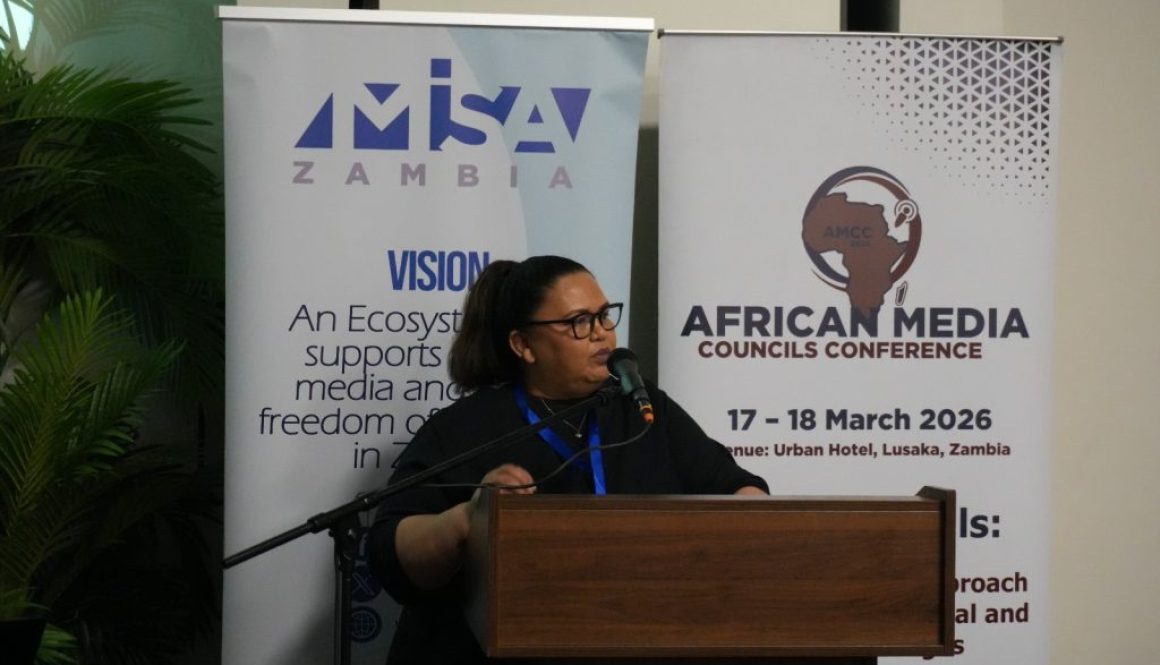
 The M20 (Media 20) initiative, an independent joint programme of
  The M20 initiative, an independent joint programme of Media Monitoring Africa (MMA) and the South African National Editors’ Forum (SANEF), will host the M20 Summit in Johannesburg, South Africa on 1 and 2 September 2025.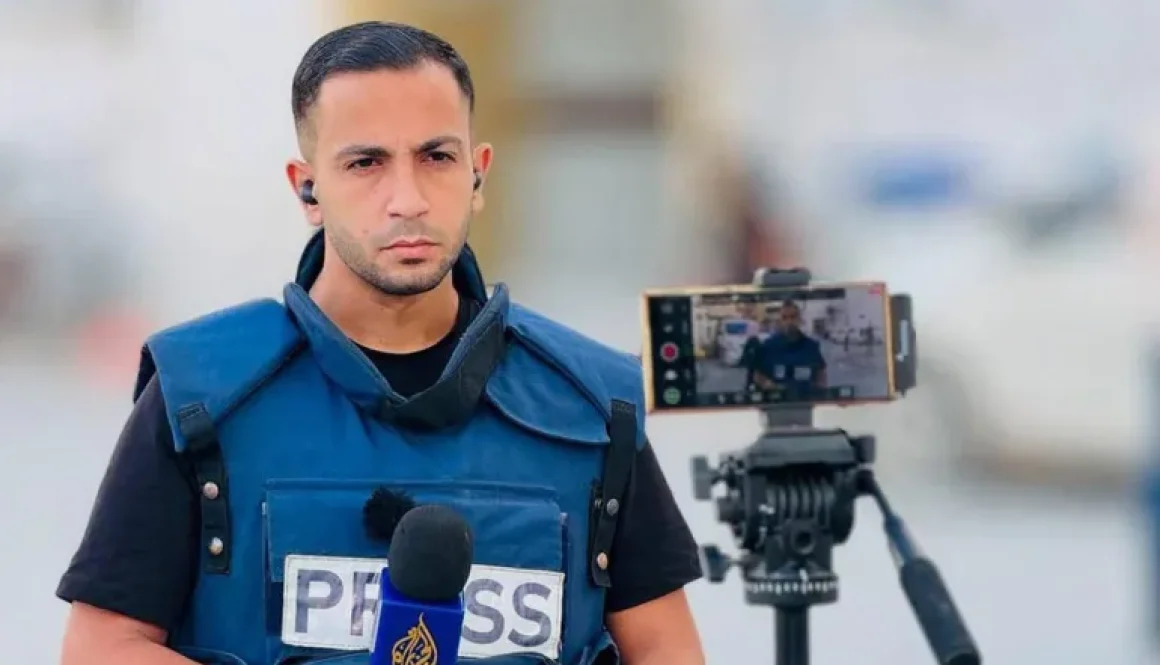
 The World Association of Press Councils (WAPC) strongly condemns the targeted killing of five Al Jazeera journalists—Anas al-Sharif, Mohammed Qreiqeh, Ibrahim Zaher, Mohammed Noufal and Moamen Aliwa—and freelance journalist Mohammad al-Khaldi, in an Israeli airstrike on 10 August 2025.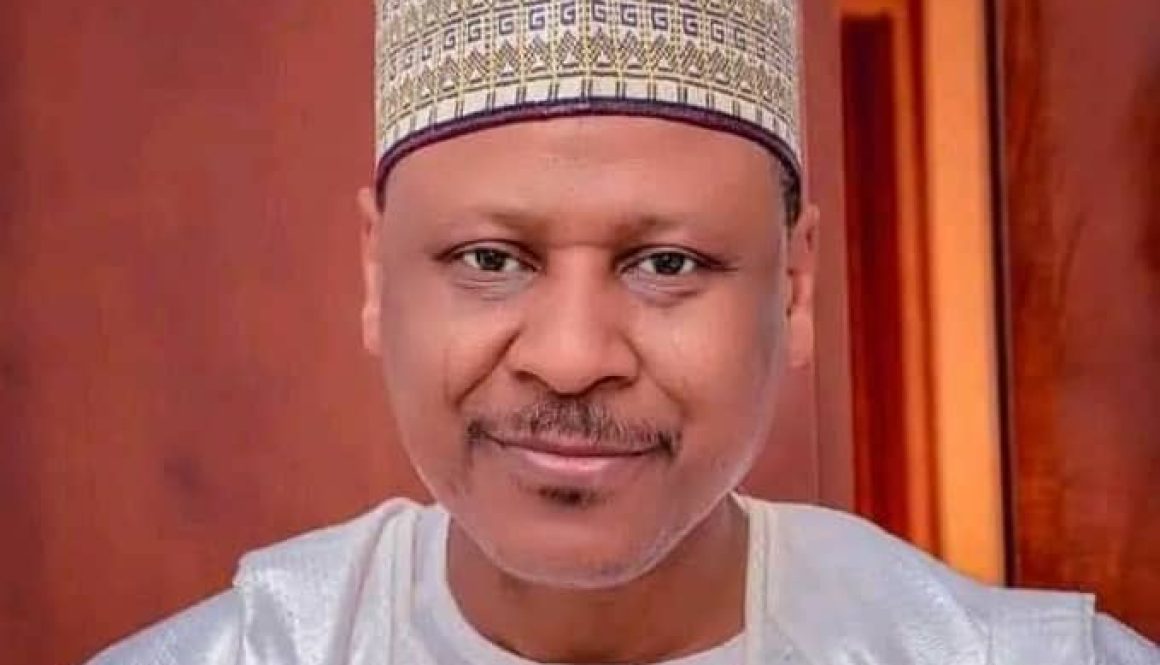
 Nigeria’s Minister of Information and National Orientation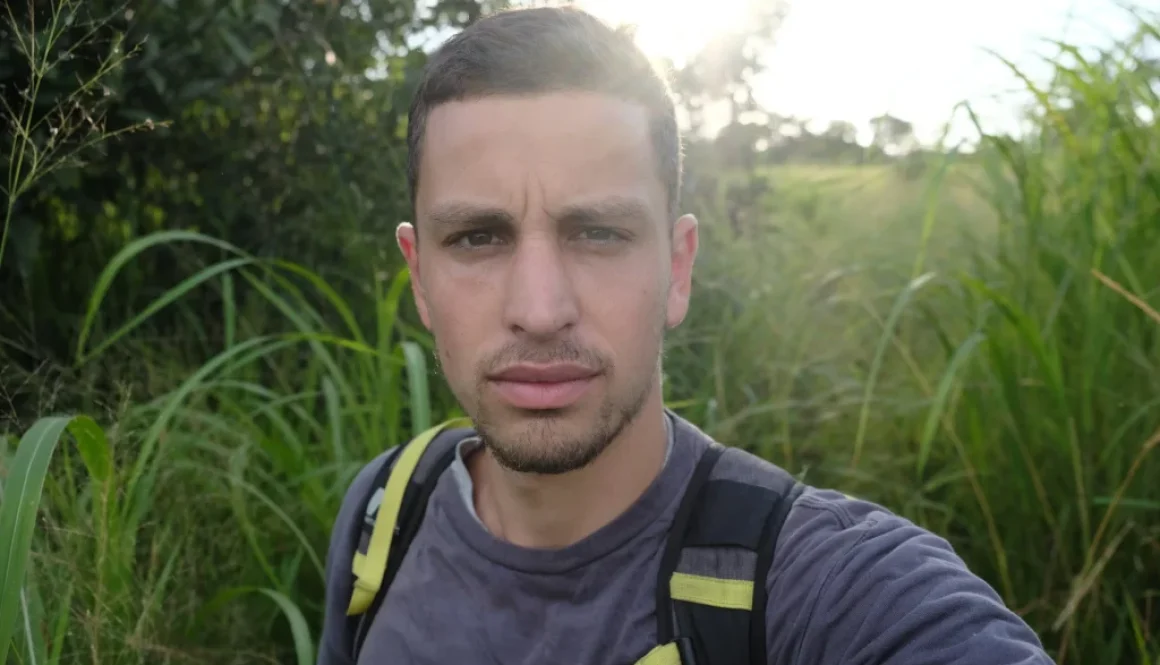
 The IPI global network calls for urgent and renewed international attention to the case of American-British journalist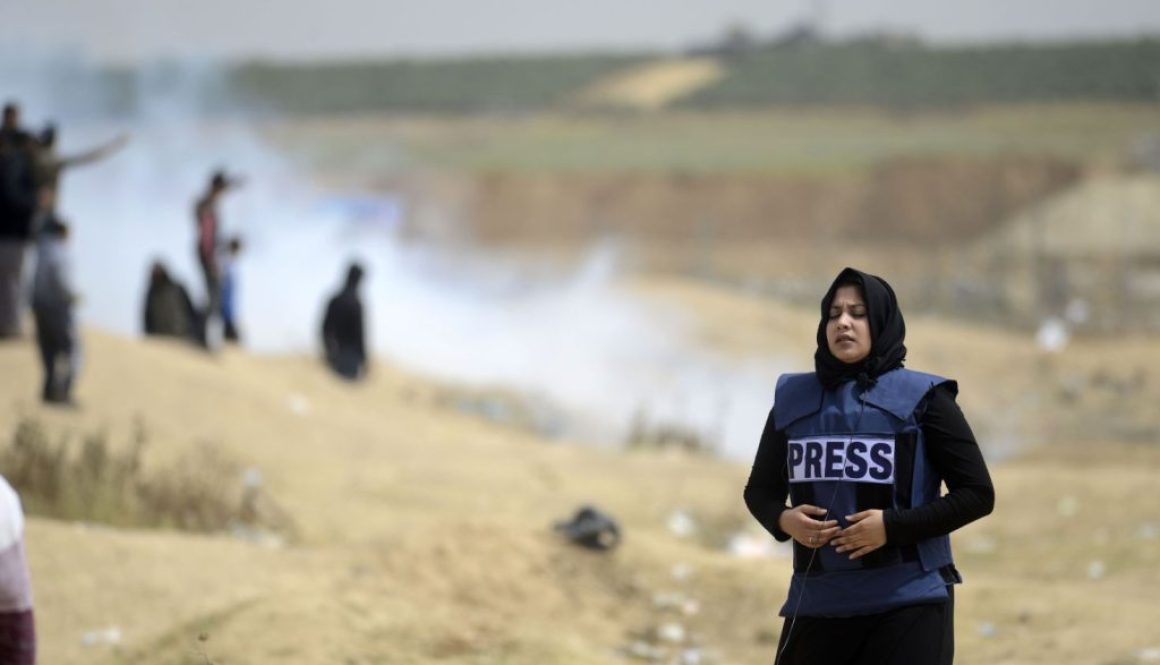
 Authorities in the Republic of the Congo and the Democratic Republic of Congo (DRC) must ensure the safety, respectively, of journalists