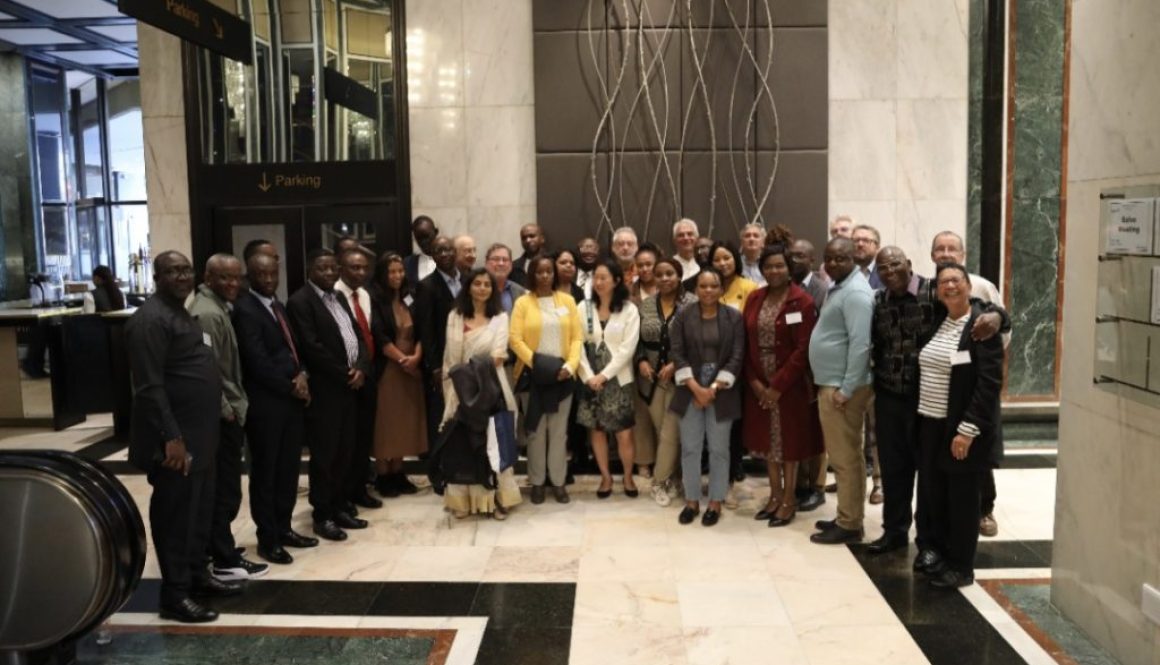
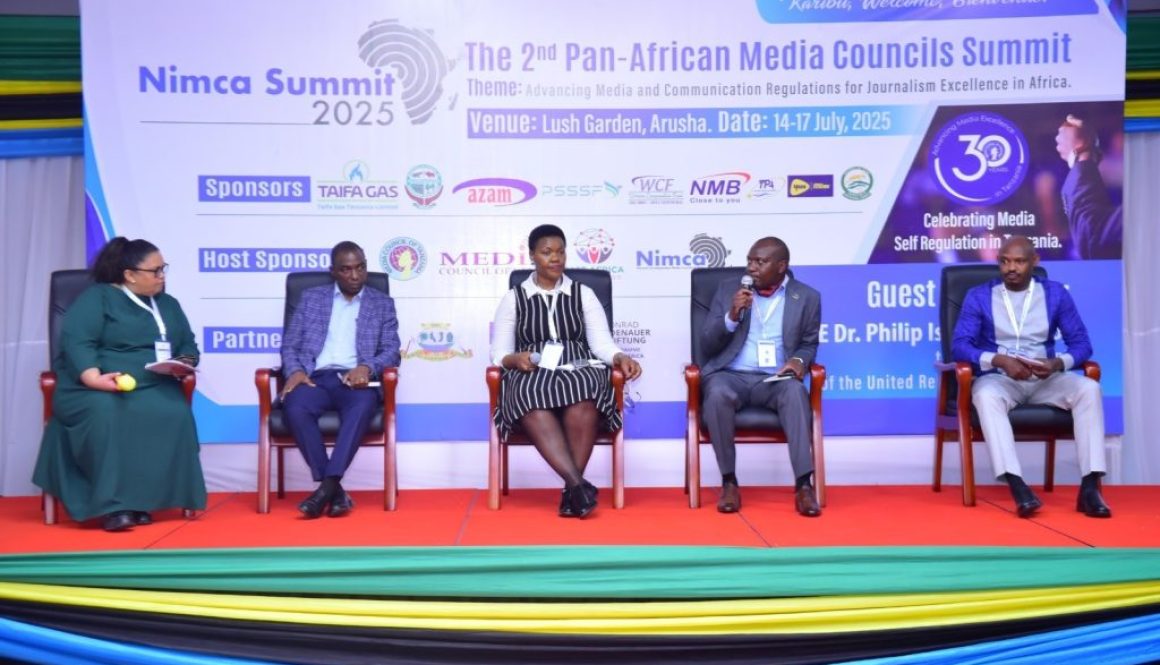
As Africa’s media landscape transforms at pace, sustainable funding for media regulators dominated discussions at the second Pan-African Media Councils’ Summit in Arusha, Tanzania. Leaders and experts from across the continent underscored the pivotal role of media councils and regulatory bodies as cornerstones of democracy.
Emmanuel Mugisha, Executive Secretary of the Rwanda Media Commission, asserted that governments must prioritise funding for media as a core pillar of governance and public accountability.
‘Just as governments sustain the judiciary and other state institutions, they must bolster media accountability and public interest journalism,’ he declared.
He proposed a media basket fund, potentially supported by telecom giants and tech firms that thrive on media content, to address the steep costs of quality journalism and ensure regulators’ independence.
David Omwoyo, CEO of the Media Council of Kenya (MCK) and East African Press Councils Secretary, showcased Kenya’s hybrid regulatory model, which blends public funding with autonomy. While effective in balancing press freedom and public interest, he acknowledged challenges, including representation and potential conflicts of interest.
‘These are the normal tensions of a thriving democracy,’ Omwoyo affirmed, advocating for funding mechanisms that shield regulators from political influence
Debate also centred on the feasibility of a unified African media regulation framework. An Algerian participant questioned why the continent could not adopt a singular model, to which Omwoyo responded that regulation must reflect unique political and social contexts, rendering a one-size-fits-all approach unworkable.
Instead, he urged countries to secure funding for public interest journalism while safeguarding regulatory independence.
Phathiswa Magopeni, Executive Director of the Press Council of South Africa, stressed the need for unfiltered, professional reporting. She argued that regulation should prioritise content over platforms, particularly in an era of digital media convergence.
Ernest Sungura, Chairman of the Network of Independent Media Councils in Africa (NIMCA) and Executive Director of the Media Council of Tanzania, called for collaboration, ethical standards and a bold Pan-African narrative
Describing the summit, co-hosted by NIMCA and the EAPC, as a ‘clarion call for a new era of media governance’, he urged regulators to champion a fearless, authentic voice that reflects Africa’s diversity and resilience.
In his keynote address, UNESCO Assistant Director-General for Communication and Information Dr Tawfik Jelassi, reinforced the need for enabling legal frameworks and independent regulators to foster ethical journalism.
Highlighting three decades of progress in Africa’s media sector, he stressed that an independent, pluralistic and free press is vital for democracy.
Dr Jelassi called for cross-border collaboration to tackle challenges like AI, misinformation and climate change, warning that ‘trust in media is under global strain as technology reshapes information flows’.
The summit, themed ‘Advancing Media and Communications Regulation for Journalism Excellence in Africa’, was hailed as a transformative movement to elevate journalistic integrity and ensure Africa’s media reflects the aspirations of its people.
PICTURE: Namibia’s Zoe Titus, Tanzania’s Ernest Sungura, South Africa’s Phathiswa Magopeni, Kenya’s David Omwoyo and Rwanda’s Emmanuel Mugisha at the NIMCA Summit in Arusha (EAPC)
When United States President Donald J Trump recently praised Liberian President Joseph N Boakai’s ‘beautiful English’ at the U.S.-Africa Leaders Summit, social media lit up. The video clip went viral. Amid the noise, journalists in both the U.S. and Liberia failed to tell the real story: Liberia is stepping into a pivotal global role, and the world needs to understand why that matters.
In June 2025, United Nations member states elected Liberia to the United Nations Security Council (UNSC) for the 2026–2027 term, alongside the Democratic Republic of the Congo. This achievement is not symbolic – it reflects strategic intent.
In 2024, the Security Council passed 46 resolutions, and nearly half addressed African crises, according to Oxfam. Withits new seat, Liberia now helps shape global peacekeeping, sanctions, and international interventions.
As part of the African bloc, Liberia is expected to promote peace, sovereignty and equitable development, especially for post-conflict nations. It may push for institutional reforms and champion the voices of women and youth. But its close ties to Washington will be tested. On issues like Gaza, Sudan, Haiti and Ukraine, growing rifts between U.S. positions and African consensus could force Liberia to walk a diplomatic tightrope.
Regionally, Liberia is repositioning itself. Under President Boakai’s leadership, the country is campaigning to host ECOWAS institutions, investing in civil service reform and sustainable agriculture, and asserting itself as a regional peace broker. Liberia’s Security Council membership, backed by ECOWAS, reflects growing trust in the diplomatic leadership of the country.
Yet, journalists and editors ignored the broader shift and zeroed in on a soundbite. They bypassed the reasons behind Liberia’s invitation to the Summit and what its presence reveals about U.S. strategy in West Africa, choosing instead to highlight a linguistic compliment. In doing so, they buried the real story
If journalism is to be more than infotainment, coverage of moments like this must move beyond the viral.
Liberia was one of five African nations invited to the Summit. Alongside it were Senegal, Mauritania, Gabon and Guinea-Bissau, each representing strategic value to Washington. These were not symbolic gestures; they were diplomatic calculations.
Senegal remains a democratic beacon in a coup-prone region, rich in gas reserves and increasingly central to U.S. clean energy goals. Mauritania, which borders Mali and Algeria, is a key counterterrorism partner. Gabon, despite a coup, holds climate and energy value due to its oil and rainforest assets. Guinea-Bissau, fragile but strategically located, remains vital in combating transnational crime.
Together with Liberia, these nations form a strategic arc stretching from the Atlantic to the Sahel, reflecting the U.S.’s pivot toward smaller, stable African states. We must also view this realignment through the lens of the U.S. foreign policy shift from ‘aid to trade’.
Since 2023, U.S. policymakers have restructured or scaled back USAID programmes across Africa. They now position Liberia not as a top aid recipient but as a strategic partner, offering fewer resources while demanding greater responsibility
Washington has shifted its approach, favouring private-sector-led engagement, pursuing trade deals, strategic investments and short-term influence instead of long-term aid. It now expects Liberia to vote in alignment at the UN, stabilise the region and open its markets, all while managing fragile infrastructure, high youth unemployment and growing donor fatigue.
The media missed all of this. There were no deep dives into the implications of aid rollback. No coverage of what ‘trade not aid’ means for countries still rebuilding. There is a lack of analysis of how African states, like Liberia, are navigating the growing distance between Western demands and African agency
Liberia has stepped off the sidelines. Liberia’s presence at the Summit and on the Security Council signals power and strategic intent, not sentiment. Years of peacekeeping, democratic transitions and regional diplomacy earned this moment.
Whether Liberia chooses to remain a quiet partner or rise as an architect of a more equitable global order, the media must critically provide coverage that honours Liberia’s evolving role on the world stage.
This brings to light several unanswered questions:
what specific actions is Liberia planning to take as a new member of the UNSC to address African crises?
how will Liberia balance its close ties with the U.S. while advocating for African interests on the global stage?
what impact will the shift from ‘aid to trade’ have on Liberia’s development and its ability to address internal challenges like high youth unemployment?
Ultimately, Liberia stands at a crossroads. Its decisions will not only shape its own future but also influence the broader African landscape in a rapidly changing world.
The media has a vital role in shedding light on this journey, ensuring that the narrative around Liberia’s advancements reflects the complexities of its new position. As Liberia steps into this pivotal role, let us watch and support its efforts to forge a new path of respect, cooperation, and strategic partnerships on the global stage.
LISA R WHITE
CEO of Genesys Communications. She holds a Master’s in Political Science and an Advanced Certificate in UN Studies from Long Island University–Brooklyn. She has worked across the U.S., West Africa and Europe in the U.S. military, the UN, diplomacy, media and public affairs.
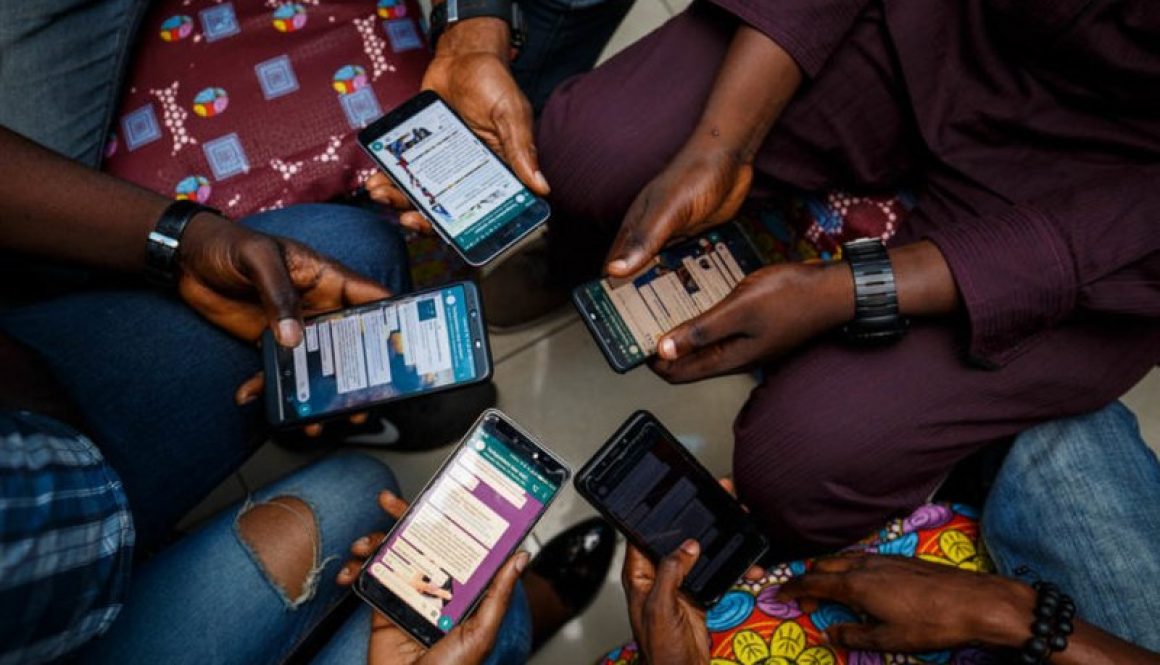
Major new research will help experts to counter the spread of misinformation in Africa and understand the causes and consequences of the continent’s growing digital divides.
The project, by researchers from the University of Exeter, will provide crucial information for the UK Government about the role of social media in galvanizing offline protest movements across Africa, and the logic behind foreign-origin disinformation and influence campaigns in the region.
Gadjanova will investigate how the public’s growing access to digital technologies and social media in Africa is influencing politics, parties’ organisational capacity and campaign strategies, electoral integrity, socio-economic inequalities and the nature and spread of misinformation in Ghana, Nigeria, Kenya and Zambia.
She has also studied which social media campaigns become viral and influence offline protest movements.
Gadjanova said: ‘I’m thankful to be awarded this fellowship, a result of my work over several years on the role and impact of digital technologies in Africa while here at Exeter, the research networks I have created across several countries, and experience with engaging with policymakers.’
‘This fellowship will support the [Foreign, Commonwealth and Development Office] FCDO capacity to carry out prompt and in-depth analysis of the various impacts that digital technologies are having on the socio-economic transformation and changing power dynamics in Africa
‘This will ensure decisions reflect the latest research and evidence, and improve the FCDO’s capacity to respond to a fast-moving policy environment.
‘In particular, my research can inform the FCDO’s ongoing work on democracy support, electoral integrity, media freedom and countering the spread of social media disinformation in Africa. It is crucial everyone works together to battle the offline spread of misinformation originating online.
‘Improved digital literacy and institutional monitoring can help to counter the worst online harms. There is also a need to improve party institutionalisation to harness the potential of digital technologies to empower new political actors, increase political trust, and improve government accountability.’
Gadjanova has previously briefed the Foreign and Commonwealth Office on African elections. Findings from her earlier research were cited by the Kenya Human Rights Commission in its evidence of electoral irregularities submitted to the Kenyan Supreme Court in August 2017.
The Innovation Fellowships scheme provides funding and support for established early-career and mid-career researchers to partner with organisations and business in the creative, cultural, public, private and policy sectors, to address challenges that require innovative approaches and solutions. The aim is to create new and deeper links beyond academia.
UNIVERSITY OF EXETER
PICTURE: Social media in sub-Saharan Africa is under the academic microscope (Aeqglobal.com)
Missing Burkinabe columnist Kalifara Séré reappeared at his home in Ouagadougou on 11 July. Abducted on 19 June 2024, the authorities had claimed he had been conscripted into the army.
Reporters Without Borders (RSF), relieved that he was able to be reunited with his family, condemns the authorities’ attempts to silence dissenting voices and demands they communicate on the fate and whereabouts of six other journalists who have been forcibly disappeared or conscripted.
Séré returned ‘very frail, exhausted, and weakened, but he is fully conscious … he needs to rest‘, confided a source who was among the first to see the journalist upon his return after more than 380 days of absence
The leading commentator for the private television channel BF1 had not been heard from since 19 June 2024, the date of his hearing by the Higher Council of Communication (CSC). A security source confirmed to Agence France Presse (AFP) that the journalist’s ‘conscription’ had ‘ended’,
Four months after the 70-year-old journalist’s disappearance, on 24 October 2024, the Director General of Human Rights at the Ministry of Justice, Marcel Zongo, announced that Séré, along with Adama Bayala and Serge Oulon, fellow journalists perceived as critical of the authorities, had been conscripted ‘on the basis of the general mobilisation and warning decree’.
The Minister of Communication and government Spokesperson, Pingdwendé Gilbert Ouedraogo, has not yet responded to RSF requests for comment.
‘RSF is relieved to learn that Kalifara Séré, who was clearly forcibly conscripted into the army, has been reunited with his family and loved ones,’ said Sadibou Marong, Director of the RSF Sub-Saharan Africa Desk.
‘Now that the news commentator is free, we call on Burkina Faso’s authorities to decide on the fate of Serge Oulon, Adama Bayala, Alain Traoré and all journalists who have disappeared or are alleged to have been conscripted into the army’
The Editor-in-Chief of the National Languages desk of the private media group Omega Media, Traoré, known as Alain Alain, is also missing. He was abducted from his home at dawn on 13 July 2024 by two armed individuals. The Burkinabe government made no mention of this when it acknowledged the ‘recruitment’ of the other three journalists.
A second group of three journalists suddenly disappeared last March. Guezouma Sanogo, a journalist with Radiodiffusion Télévision du Burkina (RTB) and President of the Burkina Faso Journalists Association (AJB), Boukari Ouoba, an investigative journalist and Vice-President of the AJB, and Luc Pagbelguem, a journalist with BF1, reappeared in a video broadcast on 2 April, wearing military uniform.
They were arrested by men identifying themselves as intelligence officers on 24 March 2025, three days after the first two journalists criticised the country’s deteriorating media landscape.
Keynote speech for the Pan-African Media Councils Summit and the inaugural Annual General Meeting of the Network of Independent Media Councils in Africa
Tawfik Jelassi, UNESCO Assistant Director General for Communication and Information
Excellencies, Honorable Ministers,
Distinguished Guests, Esteemed Participants,
I am pleased to be here to address the second Pan-African Media Councils’ Summit, and to extend UNESCO greetings to all of you.
I would like to thank the Government of the United Republic of Tanzania for its hospitality, and the Network of Independent Media Councils of Africa (NIMCA) for convening this important gathering.
I am also pleased to recognise the presence of the Special Rapporteur on Freedom of Expression and Access to Information in Africa, Honorary Ourveena Geereesha Topsy-Sonoo, whose work is essential in defending these fundamental rights.
We meet at a pivotal time. Across the globe, trust in media is being tested. Technology is transforming how information is produced and disseminated, and freedom of expression and access to information face growing pressure
In this context, we must remember the words that laid the foundation for the media landscape in Africa and beyond, more than 30 years ago in Namibia, through the Windhoek+30 Declaration: ‘The establishment, maintenance and fostering of an independent, pluralistic and free press is essential to the development and sustainability of democracy in a nation.’
This vision – born in Africa and championed by Africans – remains more relevant than ever. Over the past three decades, countries across the continent have made significant progress in nurturing a vibrant media sector, driven by local efforts.
Much of this progress has been made possible by the creation of enabling environments: legal and policy frameworks that allow for independent regulators, support media self-regulation, and promote professional, ethical journalism. These foundations enabled journalism to thrive and gain people’s trust, even in the face of persistent and emerging challenges.
This Summit offers a critical opportunity to reaffirm a shared commitment: that journalism excellence is a cornerstone of democracy, human rights, and development in Africa
The central challenge before us is how to ensure that media and communication regulation keeps pace with rapid technological changes, while safeguarding information integrity, freedom of expression, and universal access to reliable information.
In the face of accelerating developments -Artificial Intelligence, disinformation, financial precarity – we must reflect on what forms of regulation are most effective, while remaining firmly grounded in international human rights’ standards.
When regulation is shaped by democratic principles, it can serve as an enabling force: protecting journalists, elevating standards, enhancing public trust and ensuring media freedom.
UNESCO’s Guidelines for the Governance of Digital Platforms, released in November 2023, offer a model for this approach. These Guidelines advocate for a human rights-based multistakeholder framework to ensure that digital platforms operate transparently, remain accountable and respect international freedom of expression norms.
We also recognise that effective regulation must be inclusive by design. It must embed gender equality, uphold disability rights and protect the voices of those most often marginalised. In Madagascar, for example, UNESCO supported the institutionalisation of anti-harassment policies across 40 radio stations.
Building on this, UNESCO and OHCHR are developing a Human Rights Impact Assessment Guidance for Digital Platforms, helping companies conduct risk assessments that are not only gender-sensitive but inter-sectional, supporting women journalists and human rights defenders to navigate and mitigate online threats.
As part of our broader commitment to foster an ‘Internet for trust’, UNESCO is working in close partnership with Hon. Commissioner Topsy-Sonoo to advance Resolution 630, adopted by the African Commission on Human and Peoples’ Rights in March 2025.
This Resolution tasks the Special Rapporteur with developing Guidelines to help States oversee technology companies’ responsibilities in upholding information integrity -including through independent fact-checking.
This work will integrate African perspectives into broader digital governance efforts, ensuring they reflect regional needs and realities
Ten universities have already launched initiatives focused on gender-sensitive reporting, Indigenous representation, environmental journalism, data literacy and media viability, ensuring that future journalists are equipped to navigate both local challenges and global trends.
At the heart of this work are national and regional media councils. When they are independent and accountable, these institutions serve as guardians of professionalism. They defend ethical journalism, address public complaints, support journalists’ safety and encourage self-regulation over State control.
These institutions must be protected, funded and respected as democratic actors. No single institution can meet these challenges alone. Cross-border collaboration and regional standards are essential
Through regional initiatives – from access to information reform to conflict-sensitive journalism and gender-based violence prevention – UNESCO has helped foster connections between media actors, governments and civil society across Africa.
Looking ahead, regulation must not merely respond to change; it must anticipate it. The transformative impact of AI, algorithmic governance and data-driven content distribution require forward-looking, human rights-based approaches. UNESCO is facilitating multi-stakeholder dialogues across Africa and beyond, to ensure that innovation does not outpace our ethical and normative frameworks.
As the UN’s specialised agency for freedom of expression, UNESCO stands firmly behind African-led reforms that advance media freedom, pluralism, and sustainability. We are not just observers or advisors. We are committed partners.
As we look ahead, let’s reaffirm our commitment to these principles and to ensuring that Africa’s media landscape remains a beacon of democracy, dialogue, and sustainable development for generations to come. Your dedication as regulators, media councils, and partners is essential to building resilient information ecosystems, promoting accountability, and defending human rights.
UNESCO stands ready to deepen this collaboration, support innovation, and ensure that journalistic excellence continues to serve as a pillar of freedom and progress across the continent.
Thank you.
PICTURE: Dr Tawfik Jelassi joyfully receives a shuka, with all its rich history, at the Summit in Arusha. Ernest Sangura of the Media Council of Tanzania can be seen in the background
Keynote address for the Pan-African Media Councils Summit and the inaugural Annual General Meeting of the Network of Independent Media Councils in Africa
Ourveena Geereesha Topsy-Sonoo, Commissioner at the African Commission on Human and Peoples’ Rights
Distinguished representatives of media councils, distinguished guests, ladies and gentlemen,
I am honoured to participate in and deliver the keynote address.
At the outset, allow me to express my regret at not being able to be with you in person at this august gathering due to unavoidable circumstances. However, I commend the organisers for convening this important meeting under the theme of ‘Advancing Media and Communication Regulations for Journalism Excellence in Africa’.
Freedom of expression gives special rights and duties to the media. The media informs society on matters of public interest and creates an important platform for public debate, scrutiny, and reflection
It can be said that independent media and quality journalism are considered to be watchdogs of a democratic society.
The Commission has consistently reiterated the importance of free expression and press freedom. These standards are reflected in the Declaration of Principles on Freedom of Expression and Access to Information in Africa, which was adopted by the Commission to give effect to Article 9, reaffirming in the preamble, and I quote: ‘ .. The key role of the media and other means of communication in ensuring full respect for the right to freedom of expression, promoting the free flow of information and ideas, assisting individuals in making informed decisions, and facilitating and strengthening democracy.’
It is for this reason that I hereby heartily commend the establishment of the Network of Independent Media Councils in Africa, or NIMCA, which was officially launched in May 2024 at the inaugural meeting of African media councils in Cape Town, South Africa.
NIMCA, a continental initiative, was founded to unite independent media content regulatory bodies across Africa, whose core values include freedom of expression and credible and accountable media, in addition to adherence to the Commission’s Declaration which includes several principles, but above all, stresses the importance of creating an enabling environment to achieve an independent media.
Ladies and gentlemen,
The media is entrusted with a very important role: to inform society about matters that are important to it and to create a platform for public debate, reflection, and scrutiny. A key aspect of media independence is the ability to regulate itself
It is for this reason that the Declaration includes principles on media independence.
The following are excerpts of its principles:
Principle 12 on Media Independence provides that, and I quote: ‘States shall guarantee the right to establish various forms of independent media, including print, broadcast and online media.’
‘Any registration system for the media shall be for administrative purposes only and shall not impose excessive fees or other restrictions on the media.
‘States shall develop regulatory environments that encourage media owners and media practitioners to reach agreements to guarantee editorial independence and to prevent commercial and other considerations from influencing media content.’
Furthermore, Principle 16 provides that ‘States shall encourage media self-regulation, which shall be impartial, expeditious, cost-effective and promote high standards in the media’.
‘Co-regulation may also be encouraged by states as a complement to self-regulation, founded on informed collaboration between stakeholders, including the public regulatory authority, media, and civil society’
These principles highlight the critical role played by independent media councils, in addition to the importance of media self-regulation mechanisms which are independent from government control and committed to upholding the ideals of a free press.
In addition to this, a crucial aspect of media independence is the ability of journalists and other media practitioners to work in environments conducive to their important work. It is for this reason that the Declaration stresses the important role that states play in ensuring such an enabling environment.
Specifically, Principles 19 and 20 call on States to ensure both the protection and safety of journalists and other media practitioners. Principle 20 specifically calls on States to guarantee the safety of journalists, take proactive measures to ensure their safety, raise awareness, build the capacities of journalists and policymakers, and – lastly – take legal and other measures to investigate and prosecute attacks against journalists while ensuring access to effective remedies.
Accordingly, the Declaration affirms the principles for anchoring the rights to freedom of expression and access to information in Africa, guided by hard and soft law standards drawn from African and international human rights instruments and standards, including the jurisprudence of African judicial bodies.
It seeks to enhance the promotion and protection of the rights enshrined in Article 9 of the Charter by State parties. However, it is equally important for stakeholders, including the media and civil society, to utilise the Declaration and its principles as a yardstick to gauge the extent to which these rights are protected.
Read ‘The Special Rapporteur on Freedom of Expression and Access to Information in Africa celebrates 20 years’, here
Ladies and gentlemen, distinguished participants,
The Commission has also undertaken other initiatives aimed at enhancing press freedom in Africa. For example, cognisant of emerging threats within the digital space, the Commission adopted Resolution 591 on the need to undertake a study on digital violence against women’s rights in Africa, in order to assess the underlying causes, manifestations, and impacts of digital violence against women in Africa.
The study will undoubtedly take note of the specific situation of female journalists in Africa, highlighting their concerns and proposing recommendations on the measures which can be taken to ensure their protection
In addition, an ongoing initiative of the special mechanism, as mandated by the Commission, is to advocate for the decriminalization of defamation and similar laws in Africa, as stated in Resolution 169on Repealing Criminal Defamation Laws in Africa.
Criminal defamation laws constitute a serious interference with freedom of expression and impinge on the role of the media as a watchdog, preventing journalists and media practitioners from practicing their profession without fear and in good faith.
This standard is similarly reflected in Principle 22 of the Declaration, providing inter alia that ‘States shall repeal laws that criminalise sedition, insult and publication of false news, in addition to amending criminal laws on defamation and libel in favour of civil sanctions, which must themselves be necessary and proportionate’.
Accordingly, the Commission, through its various interventions, is committed to working with States and other stakeholders to address all legal restrictions that violate the right to freedom of expression and access to information in Africa, as well as infringe on press freedom.
Ladies and gentlemen, distinguished participants,
As you dwell on the various discussions under the global theme of this gathering, I hope you will continually consult the Declaration and indeed other soft law documents of the Commission, such as its Resolutions, which highlight the importance of freedom of expression and press freedom
While I am not with you in person, I am certain that the constructive deliberations which will be held will yield fruitful insights on the various ways to ensure media independence and press freedom in Africa.
I once again commend the various organisers of this important gathering and look forward to receiving the outcome document, which I hope will include recommendations on how we can work together to ensure the right to free expression for all, and to address the importance of the role played by independent media councils in Africa.
The Committee to Protect Journalists calls on Senegalese authorities to release news commentator Badara Gadiaga, to cease arresting journalists and to refrain from retaliating against the media for coverage critical of the government.
Senegal’s Special Cybersecurity Division (DSC) arrested Gadiaga on 9 July 2025 over his remarks during a 4 July 2025 broadcast about Prime Minister Ousmane Sonko. On 14 July 2025, a judge opened a judicial investigation and charged Gadiaga with spreading false news, immoral speech, insulting a person exercising the prerogatives of the head of state, and receiving or soliciting donations in order to engage in propaganda likely to disturb public order, his lawyer, El Hadji Omar Youm, told newsoutlets.
During the broadcast on private television channel Télé Futurs Médias (TFM), Gadiaga responded to criticism from a ruling party official by saying that the party should not give lessons in ethics because its leader, Sonko, had been ‘convicted of sexual abuse’
Sonko was sentencedin absentia in June 2023 to two years in prison for the ‘corruption of youth’. In April, Sonko said his opponents were using journalists and ‘so-called news commentators’ to spread false news and defame authorities.
‘These charges represent an escalation in the government’s punitive attitude toward the media and promote a dangerous conflation between the press and the political opposition,’ said Moussa Ngom, CPJ’s Francophone Africa representative.
‘Senegalese authorities must release news commentators Badara Gadiaga, Abdou Nguer, and Bachir Fofana, and refrain from reprisals against the media for their criticism. Alleged press offences should not be criminalised.’
On 10 July, Sonko alluded to the TV debate during a meeting with his party’s leadership and recommended that party members ‘stop going to television stations that fight [the party] … I fight those who fight me, and let those who use their tools to fight me know that I will go to the end’. He also called for a boycott of ‘television stations that fight him’.
L’Observateur, a newspaper owned by the same parent company as TFM, Groupe Futurs Médias, responded to Sonko’s comments with an editorial saying: ‘We are not a media affiliate of a party, nor a propaganda battalion, nor an instrument of validation. We are a newsroom’
Separately, deliberation of the trial of commentator Bachir Fofana, detained for allegedly spreading false news, has been postponed to 16 July, and another commentator, Abdou Nguer, has remained in prison since April on various charges.
CPJ’s calls to Sonko’s office and the justice ministry went unanswered.
The Ghana government has granted an additional 30-day grace period to 18 radio stations that were recently shut down by the National Communications Authority (NCA), the industry regulator, due to regulatory violations.
This extension aims to support the stations in rectifying the issues that led to their closure last month.
On 12 June 12 2025, President John Mahama had previously extended leniency to 64 radio stations that the NCA had also shut down for various regulatory infractions. However, during an update at the Ministry of Information in Accra, Minister for Communications, Digital Technology and Innovation Samuel Nartey George noted that only 18 of the 62 stations have initiated discussions and shown efforts to comply with the regulatory requirements outlined by the NCA following the President’s clemency.
The Minister expressed concern that many operators may be unable to meet the requirements before the new 30-day deadline expires. To ensure fairness, he announced that the NCA would provide these 18 stations with a formal notice of the extension
‘To avoid the perception of a deliberate attack, we have instructed the NCA to extend the deadline for these stations to complete the requirements,’ he stated.
George also highlighted that while some stations continue to operate under test transmissions to complete their processes, serious consequences await those that fail to address their regulatory issues once the nine days leading up to the new deadline pass. ‘Once the nine days expire, enforcement measures will be enacted. It’s unlikely that the President will exercise further leniency,’ he warned.
He emphasised that, as businesses in Ghana, all radio stations are legally obligated to file their taxes, and urged operators not to deem these requirements as cumbersome, particularly since many have been operating under their licences for more than five years
Furthermore, the Minister mentioned ongoing discussions with PayPal regarding the expansion of services to Ghana and reiterated the importance of compliance with the Bank of Ghana.
He also shared his recent meeting with TikTok’s West African Government Relations Team on 26 June, which focused on implementing age restrictions, safeguarding minors and promoting responsible content creation as part of efforts to foster a safe and inclusive digital creative economy.
Children’s rights should not be sidelined in the digital environment
Overview
Children across the globe are increasingly coming to terms with and engaging in a digital
world marked by both extraordinary promise and deep inequality. While the digital
environment offers unprecedented opportunities for learning, expression, and civic
engagement, many children remain disconnected, misrepresented, unprotected and at
risk of being misinformed.
The urgency of centering young voices in media integrity discussions is underscored by the 2024 Children in G20 findings, which reveal that 2.2-billion children and youth globally lack home Internet access, while those who are connected face significant rights violations including commercial exploitation, relentless data harvesting, behavioural profiling for advertising and inadequate protection standards.
The African child’s experience in the digital environment is uniquely shaped by a complex interplay of opportunity and adversity. Africa is home to the world’s youngest population, with children and youth making up a significant proportion of its demographic landscape
The G20, as a global leader in digital governance, has a critical role to play in setting standards and fostering international cooperation that puts children’s rights at the centre of the digital future. This policy brief builds on G20 commitments to strengthen child and youth protection and participation in digital media.
Proposal to the G20
The G20 must recognise that building sustainable, inclusive and rights-respecting digital
communities means ensuring children are protected and empowered online.
As digital platforms continue to evolve rapidly, children in Africa, and globally, face urgent threats including unsafe online spaces, AI-driven surveillance and profiling of children, to deepfake technologies targeting minors, commercial exploitation of data, the digital divide and the explosion of mis and disinformation, all while being excluded from shaping digital
policies.
The G20 cannot afford to sideline children’s experiences, rights and best interest; they must be central to the global digital transformation agenda and uphold core protection principles of non-discrimination, protection, survival and development.
Defining the critical issue and role of the G20
The G20’s commitment to child online protection is not new. The 2021 High Level Principles for Children Protection and Empowerment in the Digital Environment
developed a framework that promotes governments’ adoption of measures that provide
for age-appropriate child safety by design, and which G20 members have been working
to implement.
Previous G20 efforts, documented through comprehensive toolkits, together with G20 Member States efforts (in the form of consultations with children in the 2024 edition of Children in the G20 by the Brazilian articulation group), have identified critical success factors in the discussion on children’s digital rights, including:
holding tech companies accountable
age-appropriate design
risk response assessment and mitigation
effective support systems, and
the essential role of states, civil society and business in safeguarding children online
Within the African context, the African Union’s Child Online Safety and Empowerment Policy provides a continental framework recognising that children face exposure to hate speech, inappropriate content and online predators while acknowledging digital technologies’ transformative potential for education and development.
Together, these frameworks establish that protecting children online requires both regulatory oversight and corporate responsibility.
Five interconnected themes that the G20 must address
1Children in the media: Regarding access to and consumption of news and information integrity, media policy must adapt by supporting digital participation, inclusive content, and youth-driven storytelling to reflect their lived realities and strengthen their media literacy.
This is also very true for African children, who increasingly access news and information through social media, Search platforms and streaming services. As young minds increasingly turn to smartphones and tablets, they encounter a terrain riddled with algorithmic sinkholes, colonial data traps and disinformation mirages.
This is not merely an access gap; it is an integrity emergency, threatening an entire generation’s right to truth. At the click of a button, they are exposed to an overwhelming volume of content, ranging from political developments and community news to the latest celebrity trends
Online platforms prioritise content based on algorithms, likes, shares, and trending topics, rather than principles of fair representation and inclusivity. Algorithms and AI systems merge news and entertainment and blur the lines between fact and opinion, making it difficult for children to discern the importance of hard news.
Emotionally charged and sensational content dominates their feeds. Less sensationalised but equally important content, which affects children’s lives and needs are often being ignored in favour of clickbait content.
Furthermore, these algorithms quickly create echo chambers, reinforcing children’s preferences by serving them more of the same type of content.
2Media and information literacy (MIL): As digital technologies reshape communication, education, and public engagement, MIL has become a vital 21st-Century skill. MIL empowers individuals, including children, to critically assess content, navigate media systems, identify disinformation, and participate meaningfully in public discourse.
Children’s exposure to harmful digital experiences translates to violent content, mis- and disinformation, cyberbullying, online grooming and child sexual abuse material (CSAM) which have detrimental effects on children’s mental health and development
Climate disinformation, as discussed in MMA’s discussion document, deserves special mention because it undermines children’s ability to understand environmental issues and make informed decisions about climate action, potentially limiting their participation in climate activism and their capacity to address one of the most pressing challenges of their generation.
Media literacy must be framed as a rights-based issue, Article 17 of the UNCRC
recognises children’s right to access information from a diversity of sources and the
obligation of States to guide children’s use of media in ways that protect them from harm and promote their well-being.
Another important dimension is the empowerment of children as content creators. Media literacy is not only about being informed consumers of media but also about becoming thoughtful producers of content.
In a world where anyone with a smartphone can post a video, write a blog, or share an opinion, media literacy gives children the confidence and competence to share their own stories, advocate for issues they care about, and participate meaningfully in public discourse. Empowering children with MIL is thus crucial.
3 The impact of Artificial Intelligence on African children and their right to privacy: AI is increasingly embedded in the digital environments that African
children use – from the games they play and the content they consume, to the education
tools they use.
While AI offers substantial benefits for learning, innovation, and service delivery, it poses serious risks through a lack of transparency in decision-making, extensive data harvesting, and limited contextual understanding.
African children, many of whom face compounded vulnerabilities due to structural inequalities, are especially at risk when AI systems are not designed with their rights, best interests, and participation in mind
Current AI systems often harvest and process children’s personal data without meaningful consent or child-centred oversight, amplifying risks of commercial exploitation, surveillance, profiling, manipulation and discrimination. Surveillance and data commodification reduce children to profit-generating datasets.
From recommender systems that promote harmful content to biased algorithms that reproduce racial, linguistic or socio-economic inequalities, these systems can undermine children’s best interests, including:
Urgent safeguards are needed to ensure AI technologies are accountable, transparent, and developed with African children’s voices, contexts, and rights at the centre.
4 The long-standing issue of the Digital Divide: The lack of investment in meaningful Internet access in schools is another challenge that translates into the lack of digital learning and outdated or narrow curricula focused on risks rather than building critical thinking.
The Digital Divide reveals underlying barriers, including high data costs and insufficient digital literacy training for both adults and children, factors that limit the effective integration of technology in educational settings.
G20 countries must ensure that online platforms adopt an intersectional lens to address how digital exclusion and online violence disproportionately affect girls, children with disabilities and those in conflict zones in line with the principle of non-discrimination as enunciated by the CRC and the ACRWC
5 Children’s right to protection and participation: The digital environment presents both significant opportunities and complex risks for children, making both their protection and meaningful participation important.
Although formal bodies like the Children’s Parliament are valuable, their integration into policymaking remains largely symbolic. Equipping children with the skills and knowledge to engage meaningfully is essential, but efforts must also address structural inequalities in legislation, education, digital access, language diversity, as well as adult duty-bearers’
capacity to listen to and act on children’s views.
1 Supporting child-safe digital environments: What measures beyond content moderation could ensure platforms prioritise child protection over engagement metrics?
2 Information integrity for children: How best can we ensure that children have access to diverse content, but also promote and ensure children have access to credible, accurate information?
3 Media literacy as a fundamental right: How can media and information literacy be integrated into education systems as a foundational skill rather than an optional add-on?
4 Cultural sensitivity and pluralism: Should G20 countries enforce mechanisms ensuring AI is trained on data that reflects African cultures, especially for low-resourced languages and indigenous knowledge systems, to make sure these identities are not erased by technology?
5 The participation gap: Children are digital natives but remain excluded from governance decisions. How can meaningful child participation be institutionalised in digital policy-making beyond symbolic consultations?
6 Addressing the digital divide: How can universal, affordable and child-safe Internet access be achieved, particularly in low- and middle-income countries?
7 Transnational enforcement: What legal mechanisms can hold G20-based platforms accountable for cultural and other harms relating to African children?
Proposed text for inclusion in G20 outputs
For the Heads of States (‘Leaders Declaration’):
‘We acknowledge the vulnerabilities faced by children in the digital environment and
commit to promoting formal mechanisms for their participation in digital policy-making
processes, such as youth parliaments and inclusive consultations.
‘We will prioritise childcentred protection and participation frameworks into G20 commitments to ensure alignment with international human rights standards, as well as legal and regulatory measures to hold G20 technology-based companies accountable for digital harms to children.’
For the Digital Ministers 2025 Declaration:
‘In recognition of the evolving digital landscape and unequal risks faced by children online, there is an urgent need for G20 countries and beyond to promote and support digital platform’s adoption of child-centred safety standards which include ageappropriate child safety by design, transparent moderation, algorithmic accountability, accessible reporting tools and clear measures taken to prohibit predictive profiling of minors.
Media and information literacy must be integrated into educational systems, especially for low-income countries and communities as a foundation for promoting digital citizenship and building resilience against digital harms.’
Recommendations and opportunities for G20 media
As real-time reporting through social media becomes more widespread, media, guided by human rights institutions, can strengthen their role in promoting ethical standards that amplify accurate and credible information that promotes children’s rights and debunk inaccurate information that reinforces harmful stereotypes.
Media can lead efforts to develop and enforce guidelines on the ethical use of children’s images and stories in online content, ensuring their privacy, dignity and best interests, as well as to amplify marginalised voices of children when it is in their best interest
This includes providing practical guidance for journalists, citizen reporters and media platforms on consent, anonymisation, and child-sensitive storytelling, particularly in crisis or high-visibility situations.
For media to remain competitive, they can adopt innovative formats and storytelling approaches that are diverse, inclusive and that promote children’s rights and reflect their lived experiences, while upholding ethical standards.
News media can collaborate with civil society institutions and campaigns that prioritise digital and media literacy for children, to educate parents and children on how to identify and report disinformation online.
Additional documents and further reading
The 2021 High-Level Principles for Children Protection and Empowerment in the
Digital Environment (as above)
The M20 initiative is a ‘shadow’ parallel process set up to intersect with the G20 processes. The M20 seeks to persuade the G20 network of the most powerful global economies to recognise the news media’s relevance to their concerns.
As a collaborative M20 document, this paper is a working, live document. Share your suggestions or comments for consideration at [email protected]
For more information about the G20 process, which is hosted by South Africa in 2025, visit the website here
Cape Town, South Africa, was the backdrop for a defining chapter in Africa’s media history in May 2024 when the inaugural Africa Media Councils conference evolved into the establishment of the Network of Independent Media Councils of Africa (NIMCA).
A transformative collective, NIMCA is not only a network of journalists and broadcasters on the continent.
It is Africa’s unified response to the demand for credible, independent and ethical journalism. It is an ambitious platform intentionally designed to safeguard media and journalists freedoms, enforce ethical standards and reinforce democratic values across the African continent.
Now, a year later, that journey has advanced to another historic moment: the Pan-African Media Councils’ Summit, hosted from 14 to 17 July in Arusha, Tanzania, at the Arusha International Conference Centre.
The original Cape Town conference was a gathering point for Africa’s media council leaders, Ombudsmen, civil society actors, the private sector and development partners. It was after rigorous deliberations that Africa’s independent media regulators committed to forging the new continental body to strengthen their efforts.
In a powerful display of continental solidarity, Ernest Sungura, the Executive Director of the Media Council of Tanzania (MCT), was elected as the inaugural Chairperson of NIMCA’s Governing Council. With over three decades in media governance and press freedom advocacy, Sungura is now the face of this movement.
One of his first assignments was developing a mobilisation and sustainability strategy to take NIMCA wider. He started by establishing an all-embracing Technical Team to guide key operations of the network, one of the team’s main roles being to ensure a successful and structured transition.
The inaugural NIMCA board successfully endorsed the team on 18 September 2024 at the UNESCO Commission of Tanzania offices in Dar es Salaam. The team comprises accomplished media and development experts, experienced journalists, institutional strategists, a citizen scientist and seasoned capacity building experts, including:
Read: Tanzania hosts Network of Independent Media Councils in Africa meeting, here
Under Sungura’s stewardship, the team has provided policy direction, institutional architecture and technical guidance, spearheading NIMCA’s evolution from concept to operational entity.
Most notably, the technical team oversaw the rebranding of the Africa Media Councils annual gathering into the Pan-African Media Councils Summit, established operational policies and standards, and designed a five year strategy (2025/2030) and a NIMCA Sustainability Road Map.
NIMCA’s core objectives are:
strengthening independent media regulation
promoting self-regulation and ethical accountability across national borders
enhancing press freedom and responsibility
defending the media’s right to operate freely, while fostering responsible journalism
building pan-African collaboration
creating mechanisms for peer learning, joint initiatives and cross-country solidarity,
combating misinformation and digital threats, and
developing strategies to address online harms, hate speech and misinformation
capacity building, and
supporting African media councils with technical training, data tools and evidence-based research
NIMCA is governed by a distinguished board reflecting regional diversity, with members from Tanzania, South Africa, Ghana, Zambia and Kenya. The NIMCA leadership also includes the technical team. Its membership spans national media councils, Ombudsmen and other independent media accountability mechanisms.
NIMCA’s growth has been made possible through support from influential partners including the African Union, the African Union Commission, the East African Community (EAC), the Southern African Development Community (SADC), UNESCO, the Ford Foundation, the Open Society Foundations, the Konrad-Adenauer-Stiftung (KAS), Internews, the East African Legislative Assembly (EALA), the Southern African Editors’ Forum (SAEF) and Glow Consulting Services.
These institutions have not only funded NIMCA’s foundational work but continue to provide technical and strategic support for its continental programmes.
From the heights of Table Mountain to the diplomatic heart of Arusha, NIMCA’s journey is symbolic of Africa’s rise – bold, unified and forward-looking. NIMCA is a movement of Africa that recognises that the strength of democracy lies not only in free expression, but in ethical, responsible and accountable journalism.
As Africa navigates complex social, political and digital challenges, NIMCA stands as a continental lighthouse.
This website uses cookies to improve your experience while you navigate through the website. Out of these cookies, the cookies that are categorised as necessary are stored on your browser as they are essential for the basic functionalities of the website. We also use third-party cookies that help us analyse and understand how you use this website. These cookies will be stored in your browser only with your consent. You also have the option to opt-out of these cookies. Opting out of some of these cookies may have an effect on your browsing experience.
Necessary
Always active
Necessary cookies are essential for the website to function properly. This category only includes cookies that ensures basic functionalities and security features of the website. These cookies do not store any personal information.
Preferences
The technical storage or access is necessary for the legitimate purpose of storing preferences that are not requested by the subscriber or user.
Analytics
Analytics cookies are used to track user behaviour on our website. We process these cookies to understand user engagement and improve user experience on our website.The technical storage or access that is used exclusively for anonymous statistical purposes. Without a subpoena, voluntary compliance on the part of your Internet Service Provider, or additional records from a third party, information stored or retrieved for this purpose alone cannot usually be used to identify you.
Marketing
The technical storage or access is required to create user profiles to send advertising, or to track the user on a website or across several websites for similar marketing purposes.

 As Africa’s media landscape transforms at pace, sustainable funding for media regulators dominated discussions at the second Pan-African Media Councils’ Summit in Arusha, Tanzania. Leaders and experts from across the continent underscored the pivotal role of media councils and regulatory bodies as cornerstones of democracy.

 Major new research will help experts to counter the spread of misinformation in Africa and understand the causes and consequences of the continent’s growing digital divides.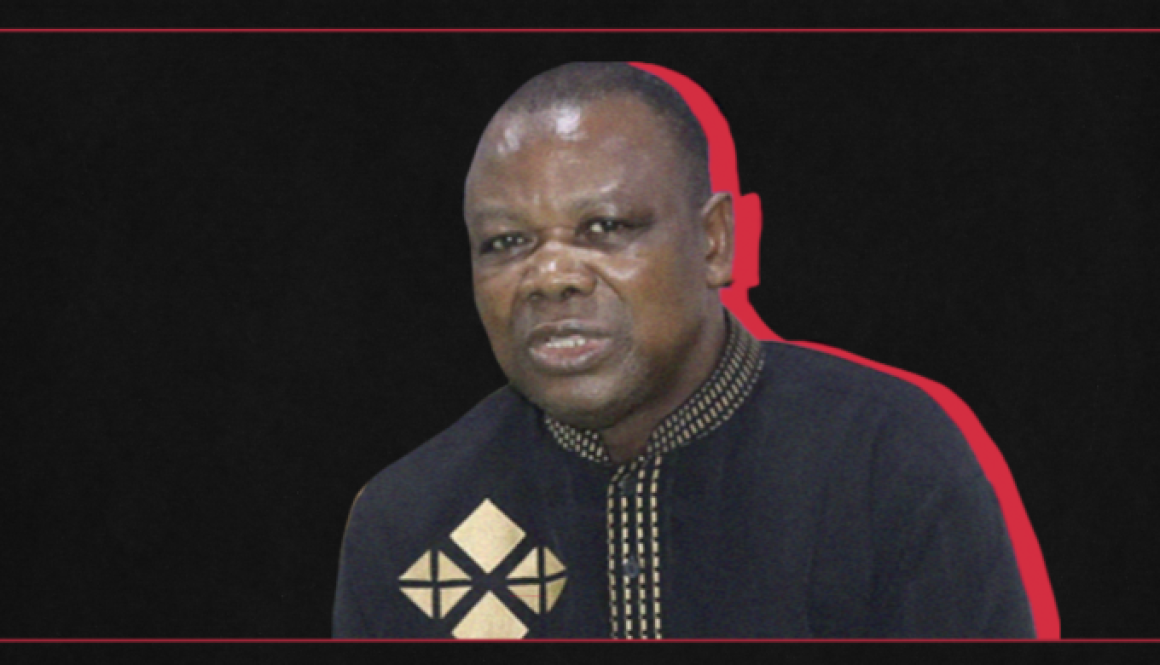
 Missing Burkinabe columnist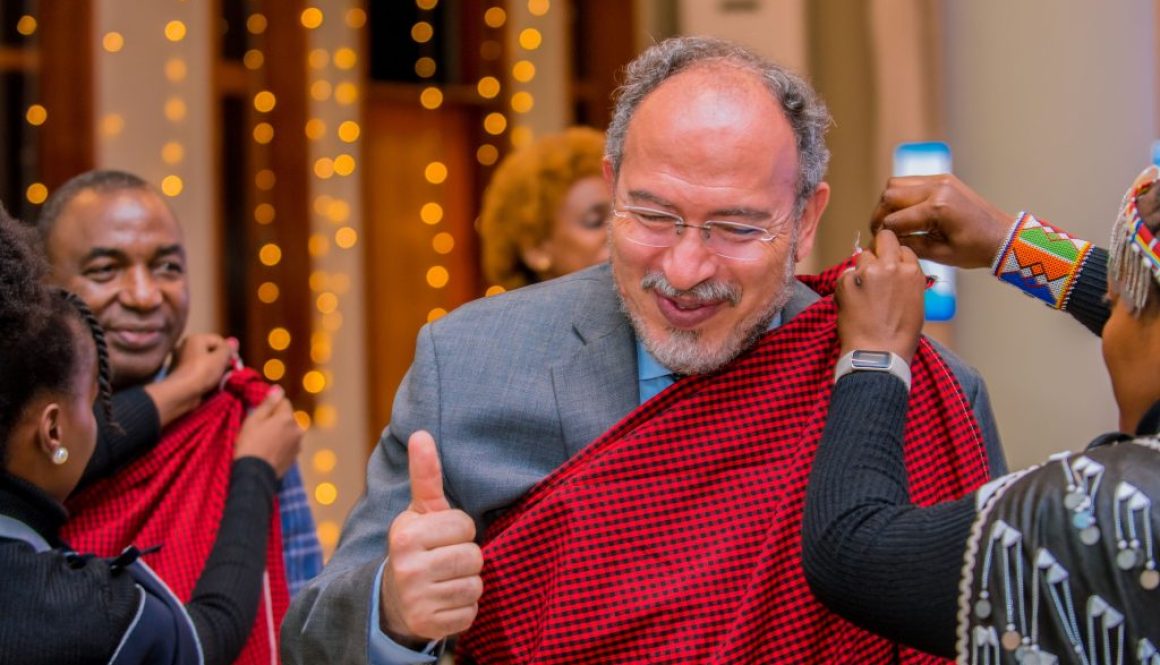
 Keynote speech for the Pan-African Media Councils Summit and the inaugural Annual General Meeting of the Network of Independent Media Councils in Africa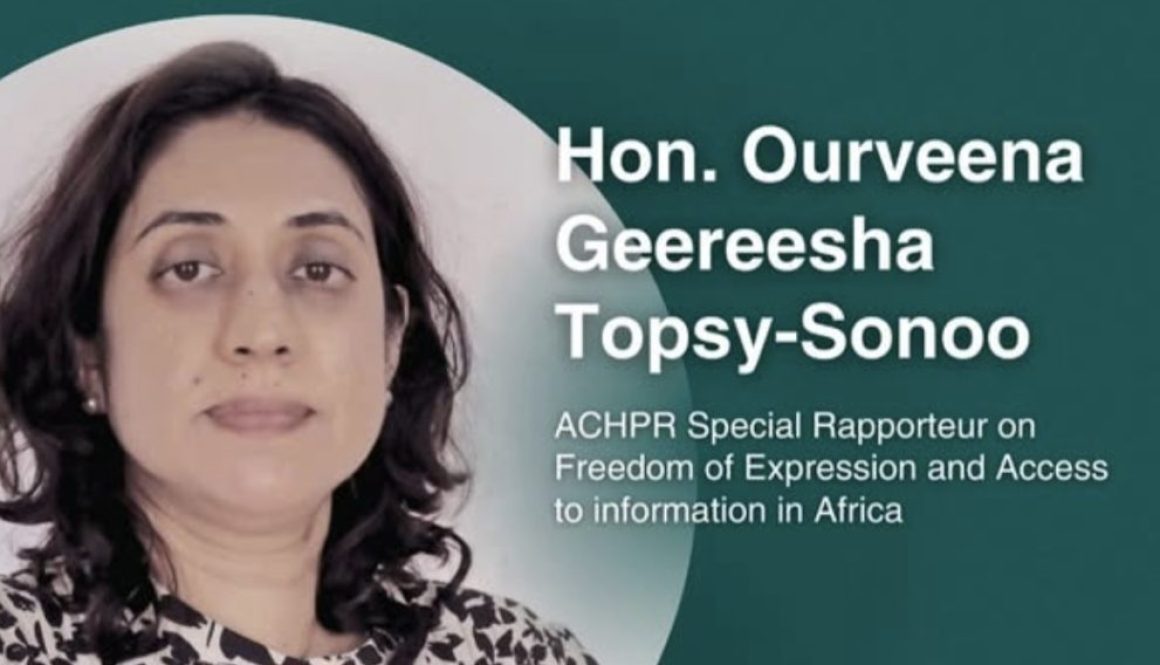
 Keynote address for the Pan-African Media Councils Summit and the inaugural Annual General Meeting of the Network of Independent Media Councils in Africa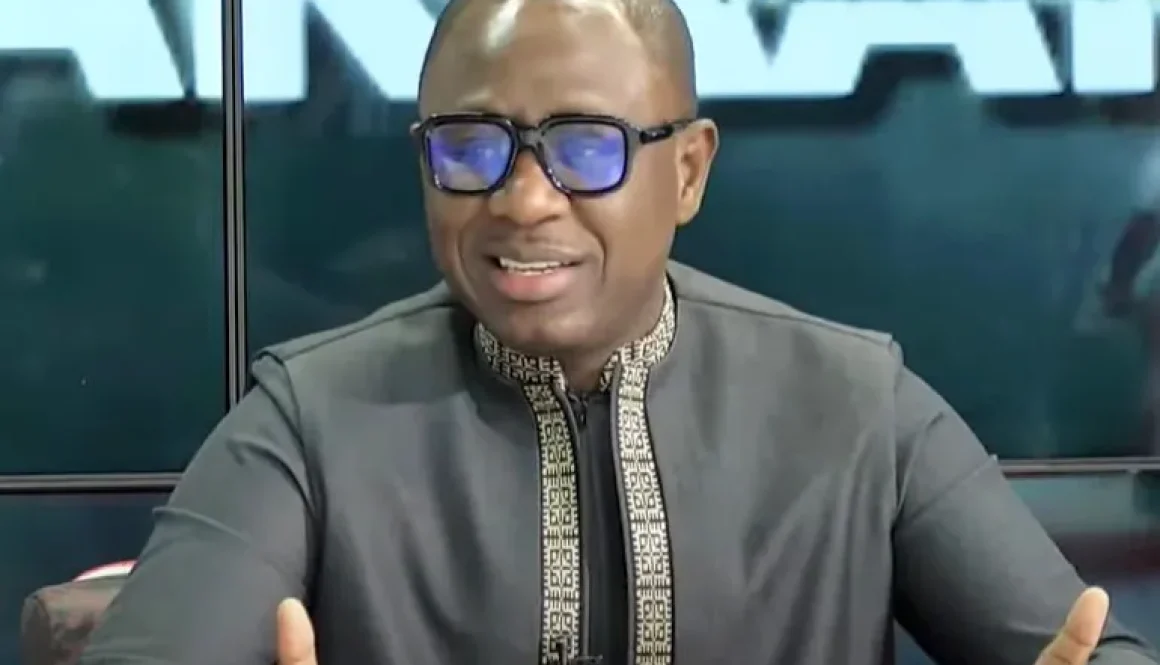
 The Committee to Protect Journalists calls on Senegalese authorities to release news commentator
 The Ghana government has granted an additional 30-day grace period to 18 radio stations that were recently shut down by the